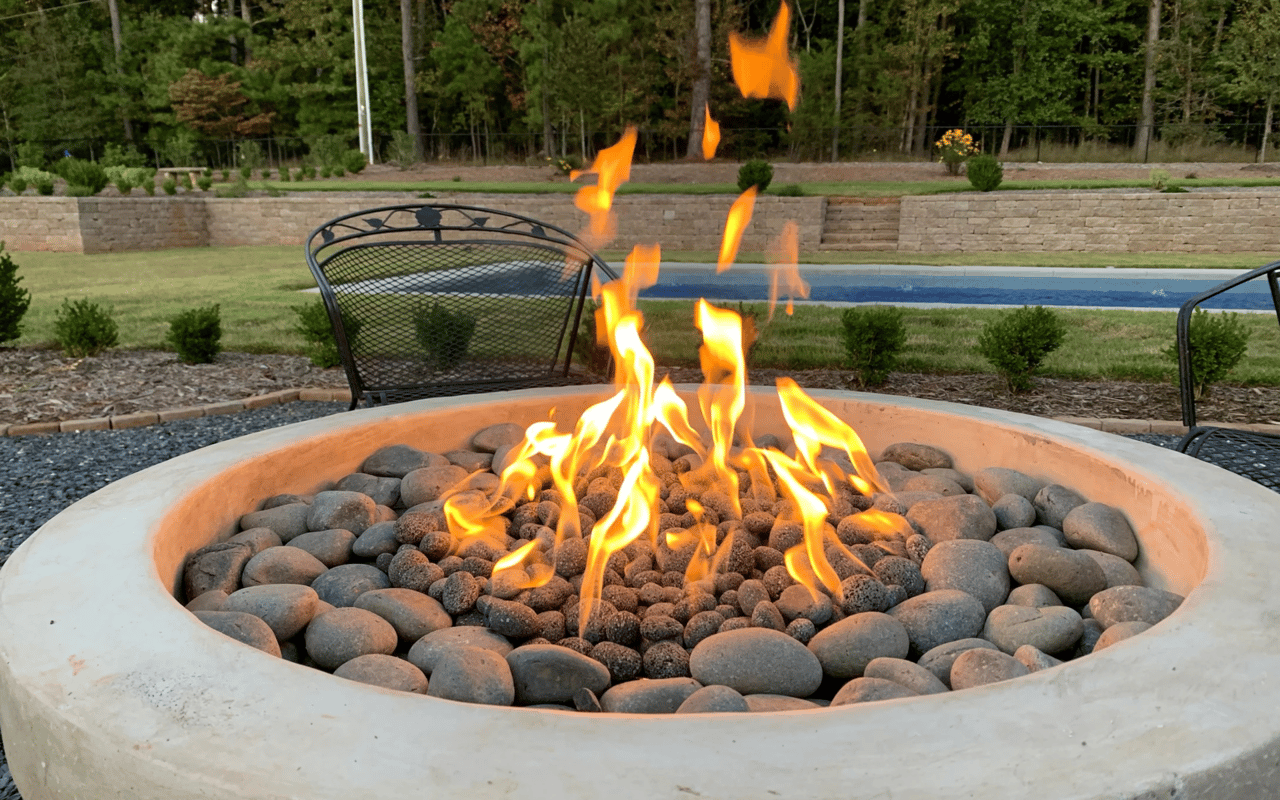
When we began building our garden for our new house, we consulted a landscape architect to help focus our ideas. One of the features we most wanted was a fire pit. Our landscape architect designed a parterre beside the pool, surrounded with Boxwoods, with a fire pit in the center. During construction, we ran a gas line to the planned location and covered it with a large tile until we could save money for the fire pit. We chose gas for its convenience, cleanliness, and suitability for those with allergies or asthma.
It was up to us to conceptualize the fire pit. We explored Pinterest for a design complementing our French-style garden. One inspiring example was at the Saint Regis in Deer Park, Utah, where fire emerges from the ground around boulders with surrounding pebbles. We felt this was too rustic for our home and worried about safety with children.
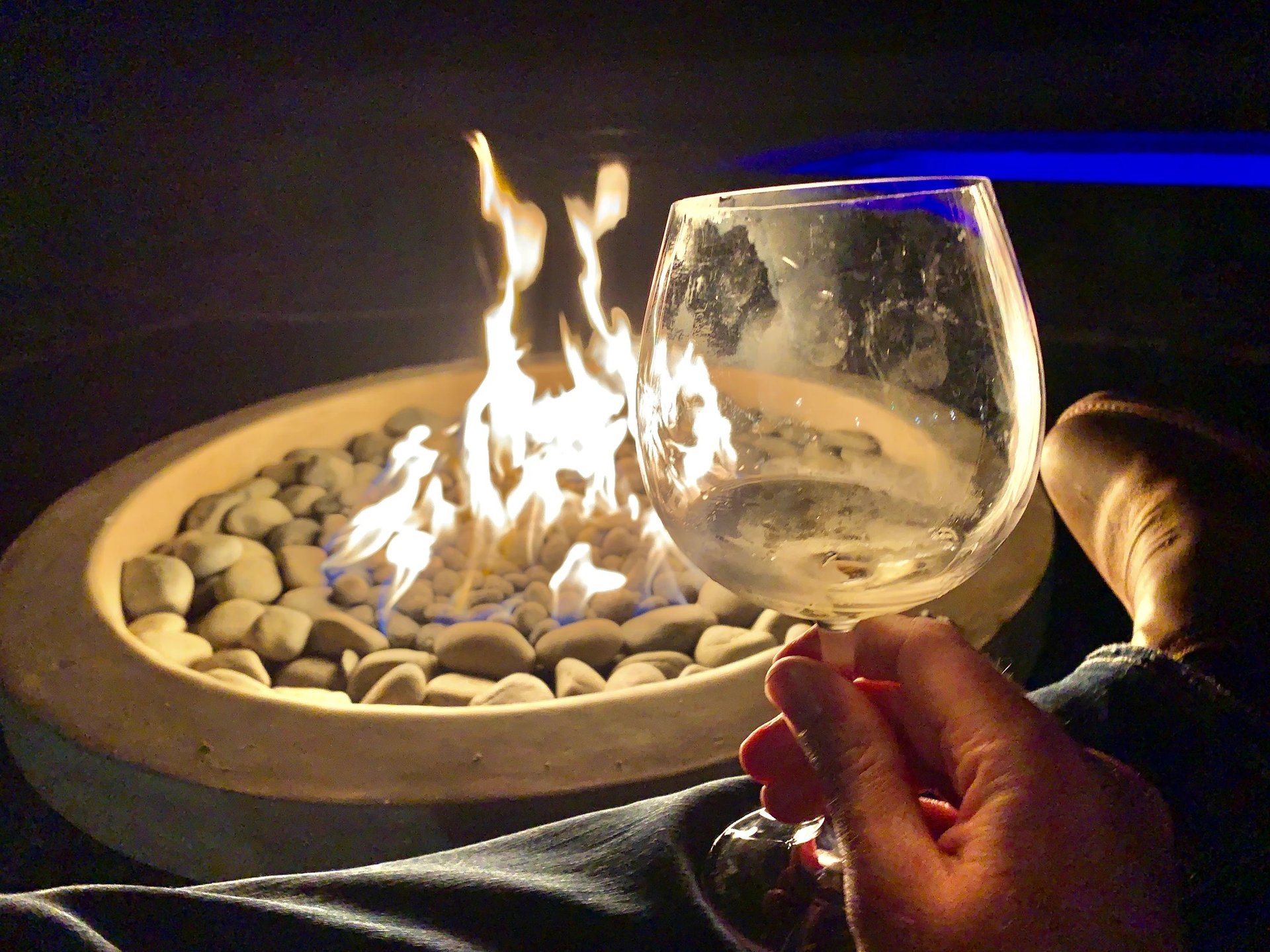
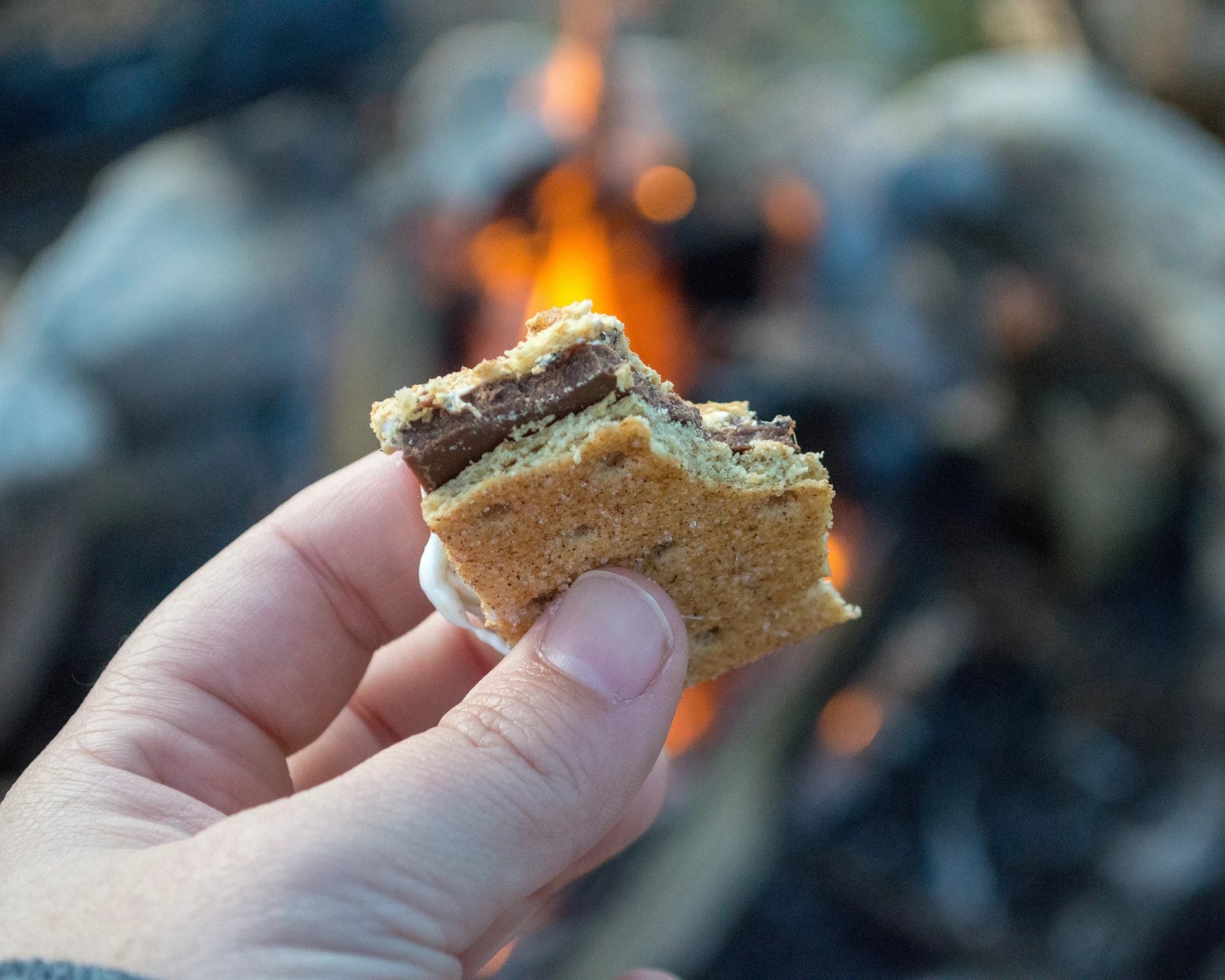
Most fire pits are rustic and brick-built, but because our garden is formal, we decided on a large urn as the receptacle. Finding a fireproof urn proved challenging. We explored AmericasMart in Atlanta and eventually found a company in San Antonio, Texas, that custom-molded a large, fire-resistant concrete urn. Once the urn was in place, we saved up for a gas burner. To maintain aesthetics when the pit was not in use, we chose fireproof pebbles instead of ceramic logs. After months of work, we finally enjoyed roasting s'mores and gathering around our new fire pit with our children.

Having a fire pit extends your living space during colder months and encourages outdoor family and friend gatherings. Inexpensive receptacles are available at stores like Lowe's and Home Depot. You can also run a gas line for convenience and create a celebratory atmosphere on any night.
#Firepit