Wondering whether Clemson is a smart place to buy an investment property? It can be, but this is not a market where you want to make assumptions. Clemson has a unique mix of university demand, lake lifestyle appeal, and local rules that can quickly change what works and what does not. If you are thinking about buying here, this guide will help you understand the market, compare property types, and spot the red flags before you commit. Let’s dive in.
Why Clemson stands out
Clemson is not just another Upstate market. It is shaped by Clemson University, Lake Hartwell, and a relatively small city footprint with limited vacant residential land. That combination creates a market where location and property type matter more than broad averages.
The numbers help show that difference. The city’s 2025 population estimate is 18,941, while Clemson University reports total 2025 enrollment of 29,545. Census data also show Clemson is far more renter-oriented than Pickens County overall, with an owner-occupied housing rate of 34.3% in the city compared with 70.5% in the county.
Clemson is also more expensive than the county as a whole. The city’s median gross rent is $1,007 and median owner-occupied home value is $398,400, compared with $936 and $216,000 in Pickens County. In simple terms, buyers paying a premium in Clemson are usually betting on demand tied to the university, the lake, or both.
What drives rental demand
University demand shapes the market
The strongest driver in Clemson is Clemson University. The city’s housing plan says the local market has long been influenced by off-campus student housing demand, along with enrollment growth, game-day activity, retirement demand, and other university-related activity.
That does not mean every student renter is your target tenant. Clemson requires many first-year students who are unmarried and under 21 to live in university-owned housing unless they live with a parent or legal guardian in Anderson, Oconee, or Pickens counties. Because of that, off-campus demand often leans more toward upperclassmen, graduate students, faculty, and staff.
Seasonality matters too. Clemson University’s 2025 to 2026 academic calendar shows fall classes begin on August 20, 2025, and spring classes begin on January 7, 2026. That suggests leasing turnover is often strongest in late summer and again in early January.
Lake Hartwell adds a second layer
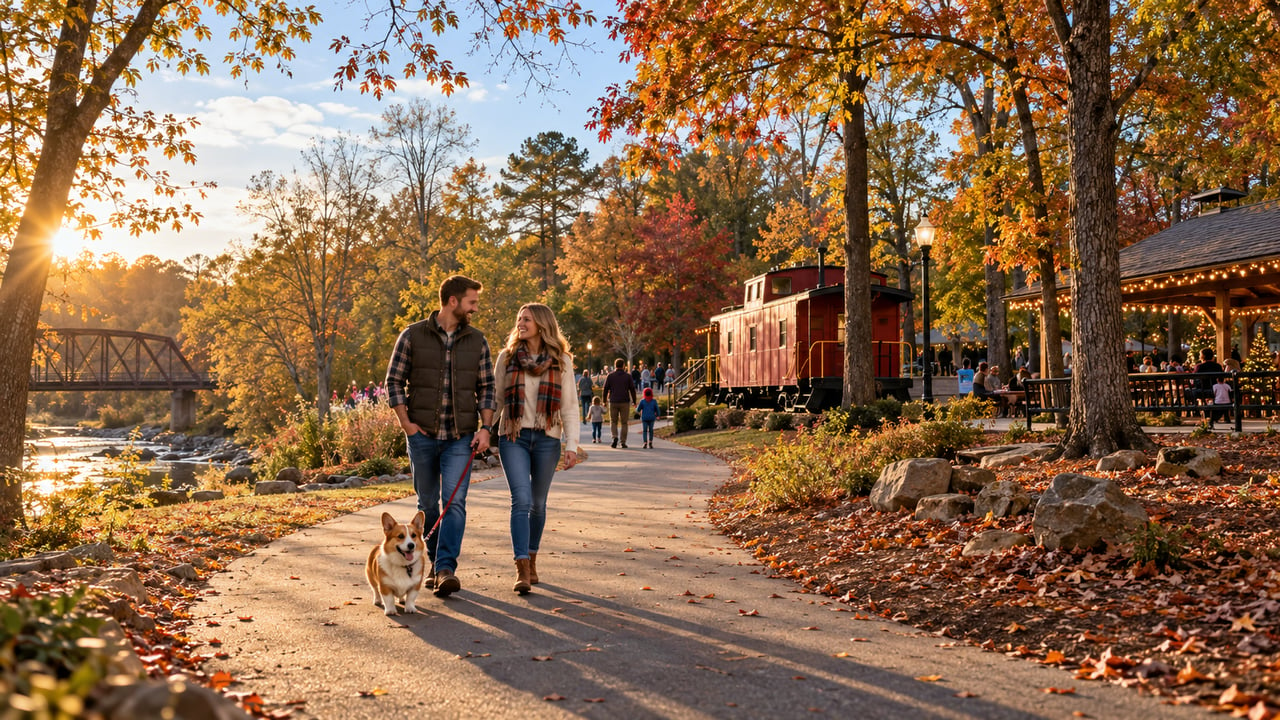
Lake Hartwell gives Clemson a second demand story that many university towns do not have. The city says Lake Hartwell is the main water body in Clemson, with about 6.5 miles of shoreline within the city. It also notes that fishing tournaments and spring rowing practices bring thousands of visitors each year.
This matters if you are looking at a second home or a lifestyle-first investment. A lake-adjacent property may fit a very different strategy than a campus-oriented rental. Instead of focusing only on academic-year demand, you may also be looking at seasonal use, event traffic, and long-term lifestyle appeal.
Property types that tend to fit
Clemson offers a mix of housing stock, but not every type serves the same goal. The city’s housing plan says nearly 45% of housing units are single-family detached, while more than 42% are multi-family units. For investors, that usually means the most realistic options are:
- Single-family homes
- Townhomes
- Duplexes
- Condos
- Apartment-style units
The city’s rental housing ordinance applies to single-family houses, duplexes, and townhouses, which makes compliance part of your buying decision from the start. This is not the kind of market where you buy first and figure out the rules later.
Campus-adjacent properties
Properties closer to campus and downtown usually make the most sense for student-oriented strategies. The city’s planning documents note that areas nearer the university and downtown are more likely to remain student-focused. If your goal is stable off-campus demand tied to the university, proximity is a major factor.
That said, older student-focused properties need careful review. The city notes that older multi-family complexes have begun to fall out of favor with students because they often lack the amenities found in newer communities. In practical terms, an older unit may look like a bargain at first glance but carry higher leasing risk if it feels dated compared with newer options.
Newer homes farther out
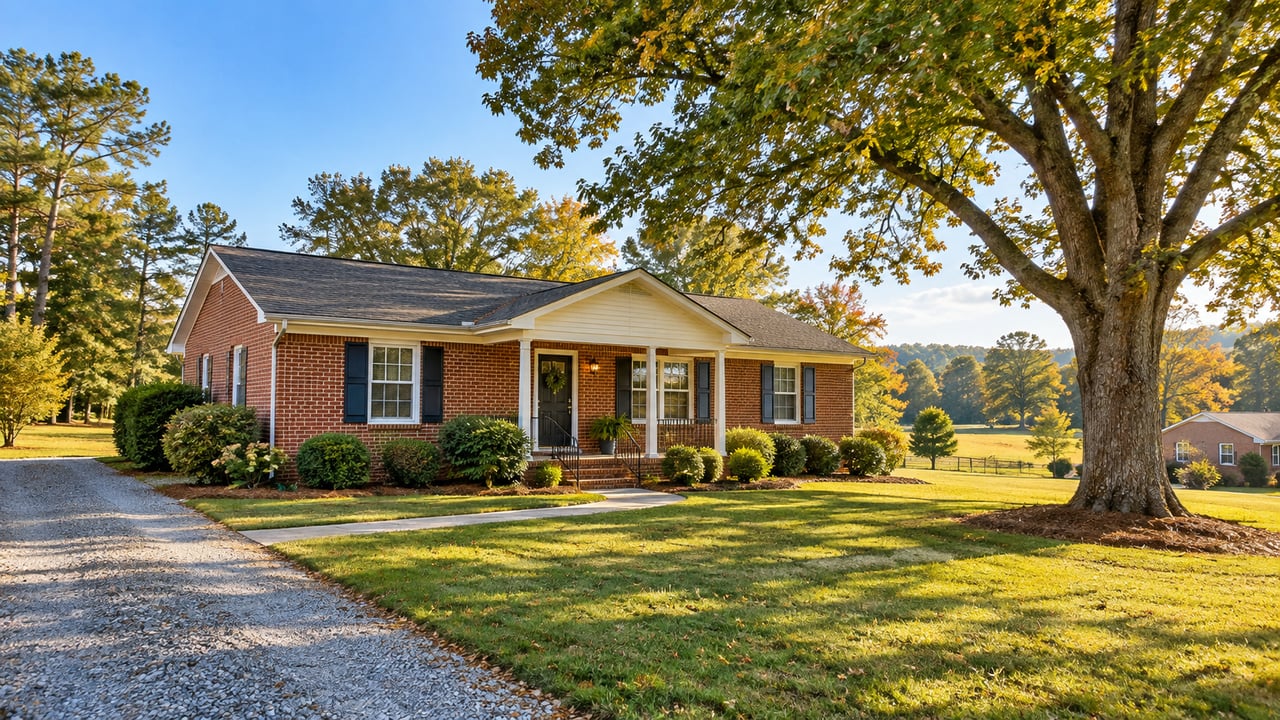
If you want a quieter long-term hold, newer construction away from the downtown and university core may be a better fit. The city’s housing plan says much of the newer residential construction has occurred away from those central areas. These properties may appeal more to buyers looking for lower-maintenance housing and less frequent tenant turnover.
This kind of purchase can make sense if you prefer a steadier hold over a highly seasonal leasing cycle. It may also suit buyers who want flexibility for future resale to owner-occupants, not just investors.
Lake-adjacent homes
Lake-oriented property is its own category in Clemson. The city says it is the only municipality in South Carolina located on Lake Hartwell, and that development along the lake within city limits is mostly residential. That helps explain why lake inventory can be limited and lifestyle-driven.
If you are drawn to the lake, treat the purchase as more than a simple rental calculation. Access, shoreline conditions, flood exposure, and city rules can all affect how usable and profitable the property is.
Choosing the right strategy
Before you start touring homes, decide what kind of investment you actually want. In Clemson, the right property for a student rental may be the wrong property for occasional personal use, and a great lake retreat may not pencil the same way as a campus condo.
Strategy 1: Student-focused rental
A student-focused rental usually fits best near campus and downtown. These locations align most closely with off-campus student demand and game-day traffic. If that is your plan, pay close attention to layout, parking, condition, and how the property compares with newer housing options.
You should also underwrite with turnover in mind. Late summer and early January can be key leasing windows, so vacancy timing matters more here than in a market with flatter year-round demand.
Strategy 2: Long-term hold
A long-term hold may work better in newer residential areas away from the university core. The city’s planning documents point to growth in the eastern half of Clemson and away from downtown. If you want less student concentration and potentially less turnover, this may be the better lane.
This approach can also support a more flexible exit strategy later. A property that appeals to both future owner-occupants and long-term renters may give you more options when market conditions shift.
Strategy 3: Second home with limited rental use
This is where many buyers need to slow down. If you want a property you can enjoy personally and rent occasionally, Clemson’s short-term rental rules are a major underwriting issue.
The city says short-term rentals may be rented only 25 days per calendar year. They must also be registered and inspected annually, and they are subject to occupancy and nuisance rules. That means a casual vacation-rental strategy is much more limited here than buyers sometimes expect.
Rules and red flags to know
Short-term rental limits
For owner-occupied short-term rentals, the city limits occupancy to 2 people per bedroom plus 2, with a maximum of 10 people total. For non-owner-occupied short-term rentals, occupancy must follow the zoning district limit and still may not exceed 10 people.
The city also states that if the property is not owner-occupied, registration will not be allowed unless a Person in Charge is identified who lives in or has an office within 75 miles of Clemson. If you live out of town, that operational detail matters a lot.
Parking and noise rules also deserve attention. The city says tenant parking must be on-site and on improved surfaces, and noise that is plainly audible beyond the property boundary is prohibited between 10:30 p.m. and 7:00 a.m. If a property lacks practical parking or sits in a setting where noise complaints are likely, it may not be the right fit for your plan.
Long-term rental compliance
For standard rental use, Clemson requires a rental housing permit, an annual inspection, and a $125 fee. Permits renew on a July 1 to June 30 cycle. The city says these rules are intended to protect single-family neighborhoods and establish minimum life-safety standards.
The big takeaway is simple: budget for compliance. In Clemson, an investment property is not something you should treat as fully passive from day one.
Lakefront due diligence
Lakefront and lake-adjacent properties need extra review before you buy. The city’s natural-resources plan notes that Lake Hartwell water levels fluctuate, parts of the shoreline are within flood zones, and Corps of Engineers property controls shoreline areas.
That means you should look closely at flood risk, shoreline access, and any easement or use constraints tied to the property. A beautiful view is valuable, but the practical details matter just as much.
A practical way to evaluate a Clemson investment
If you are comparing several properties, it helps to use a simple filter:
- Location fit: Is it near campus, farther from the university core, or lake-adjacent?
- Use case: Are you buying for student rental income, long-term hold, or second-home use?
- Condition: Does it compete well with newer housing, especially if it targets students?
- Rules: Do city rental or short-term rental requirements match your plan?
- Operations: Can you handle inspections, renewals, parking needs, and local oversight?
This kind of framework can save you from buying a property that looks good online but does not really fit your goals. In a market like Clemson, the best investment is often the one with the clearest strategy, not the flashiest listing.
If you want local guidance as you weigh campus access, lake factors, resale potential, and the practical realities of ownership, Locke & Key Associates can help you sort through the options with a clear plan.
FAQs
What makes buying an investment property in Clemson different from nearby areas?
- Clemson is more renter-oriented and more expensive than Pickens County overall, with demand shaped heavily by Clemson University, Lake Hartwell, and limited residential land supply.
What type of Clemson investment property fits student renters best?
- Properties closer to campus and downtown usually align best with off-campus student demand and game-day traffic.
What should buyers know about Clemson short-term rental rules?
- Clemson limits short-term rentals to 25 days per calendar year and requires registration, annual inspection, and compliance with occupancy, parking, and nuisance rules.
What is required for a long-term rental property in Clemson?
- Standard rentals require a rental housing permit, annual inspection, and a $125 fee, with renewals on a July 1 to June 30 cycle.
What are the main risks when buying a lakefront investment property in Clemson?
- Key issues include fluctuating Lake Hartwell water levels, possible flood-zone exposure, shoreline access questions, and Corps of Engineers controls along shoreline areas.