Thinking about Easley and wondering whether a century-old mill cottage or a fresh new build fits you best? You are not alone. Easley’s housing stock stretches from early 1900s worker homes to modern construction, which gives you real choices on style, space and budget. In this guide, you will learn what each era offers, where these homes tend to cluster, the trade-offs to expect and how to shop smart with inspections and renovation planning. Let’s dive in.
Easley at a glance
Easley sits in Pickens County with a small-city feel and quick access to Greenville and Clemson. The city counted about 22,900 residents in the 2020 Census, and local estimates show roughly 11,900 housing units within the city limits. You can scan those big-picture numbers in the U.S. Census QuickFacts for Easley and the ACS profile on Census Reporter for context on housing and commutes.
- Population: about 22.9k people (2020 Census). U.S. Census QuickFacts for Easley
- Housing units: about 11,900. Census Reporter Easley profile
- Median owner-occupied housing value (ACS estimate): about $263,500. Census QuickFacts
- Mean travel time to work: about 27 minutes. Census Reporter profile
Local market snapshots in early 2026 put Easley’s median sale price around $286,000, which is notably below Greenville’s median. That price gap is one reason many buyers choose Easley for more house or yard while keeping a manageable commute.
The four main home types you will see
Mill-era cottages and mill-village blocks
What they are. These are early 1900s worker cottages and bungalows, usually 1 to 1.5 stories with front porches and modest footprints. Many stand near downtown around the old Woodside Mill village, a documented historic resource with an official marker. You can read about that history in the Woodside Mill marker listing.
- Where they cluster: Near downtown, around historic mill properties and walkable streets.
- Typical features: 800 to 1,400 square feet, simple floor plans, original wood floors in some, crawlspace or pier-and-beam foundations, compact lots about 0.1 to 0.25 acres.
- Lifestyle appeal: Character, front porches, and proximity to coffee, dining and the Doodle Trail. Ongoing adaptive-reuse downtown, including the Lofts at Easley Mill and The Silos district, adds energy to nearby blocks and draws buyers who want a local, in-town vibe. Learn more in this local piece on The Silos and Lofts at Easley Mill.
Buyer trade-offs. You often spend less per lot or per square foot than in newer suburbs. In return, rooms can be smaller, and you should plan for updates to electrical, plumbing, insulation and HVAC. Moisture checks in crawlspaces are a must in our Upstate climate.
- Read more: Woodside Mill historic marker
- Downtown projects context: Lofts at Easley Mill and The Silos
Mid-century ranches and split-levels
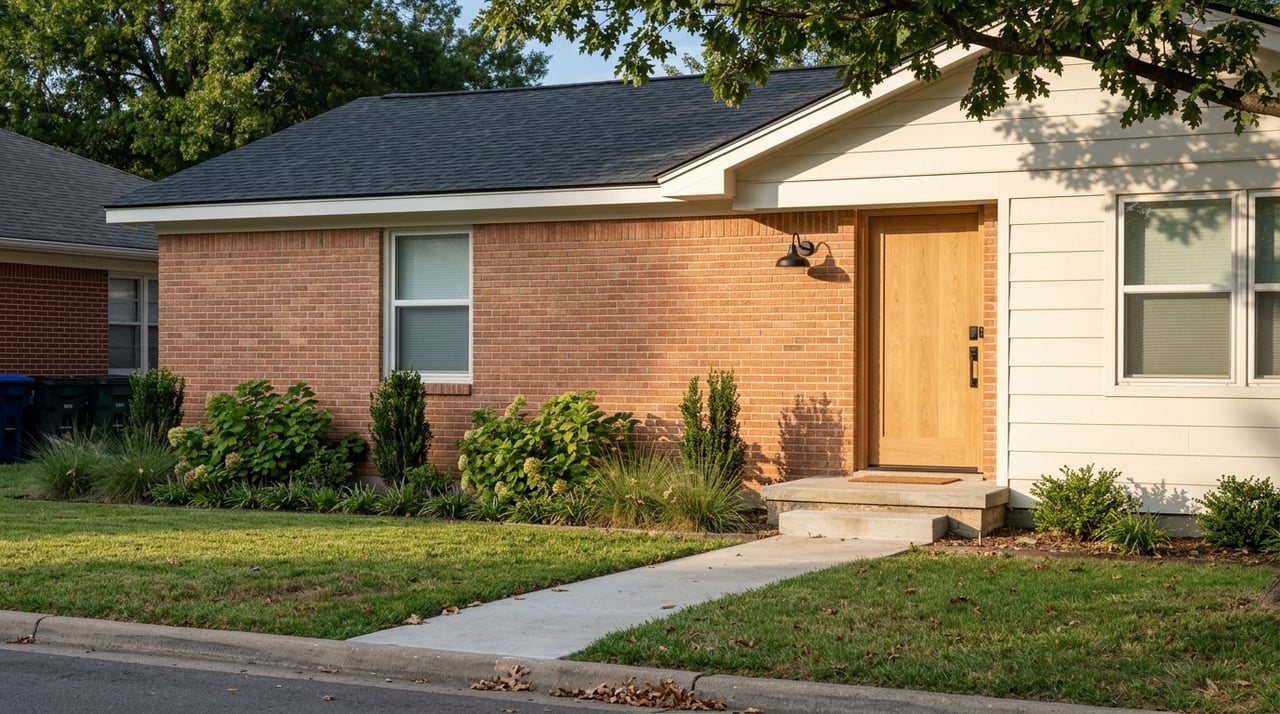
What they are. Post-WWII ranches and modest split-levels from the 1940s through the 1970s. These homes tend to offer single-level living, larger rooms than mill cottages and manageable yards.
- Where they cluster: Established neighborhoods a short drive from downtown and main corridors.
- Typical features: 1,200 to 2,000 square feet in many cases, carports or early garages, hardwoods or parquet, brick or siding exteriors.
- Lifestyle appeal: Comfortable one-level layouts, space for gardening or pets, and lower steps for aging in place.
Buyer trade-offs. Expect to modernize kitchens and baths, review insulation levels, and evaluate HVAC and electrical panels. These homes can be smart value plays if you budget for system updates.
Late-20th-century suburban homes
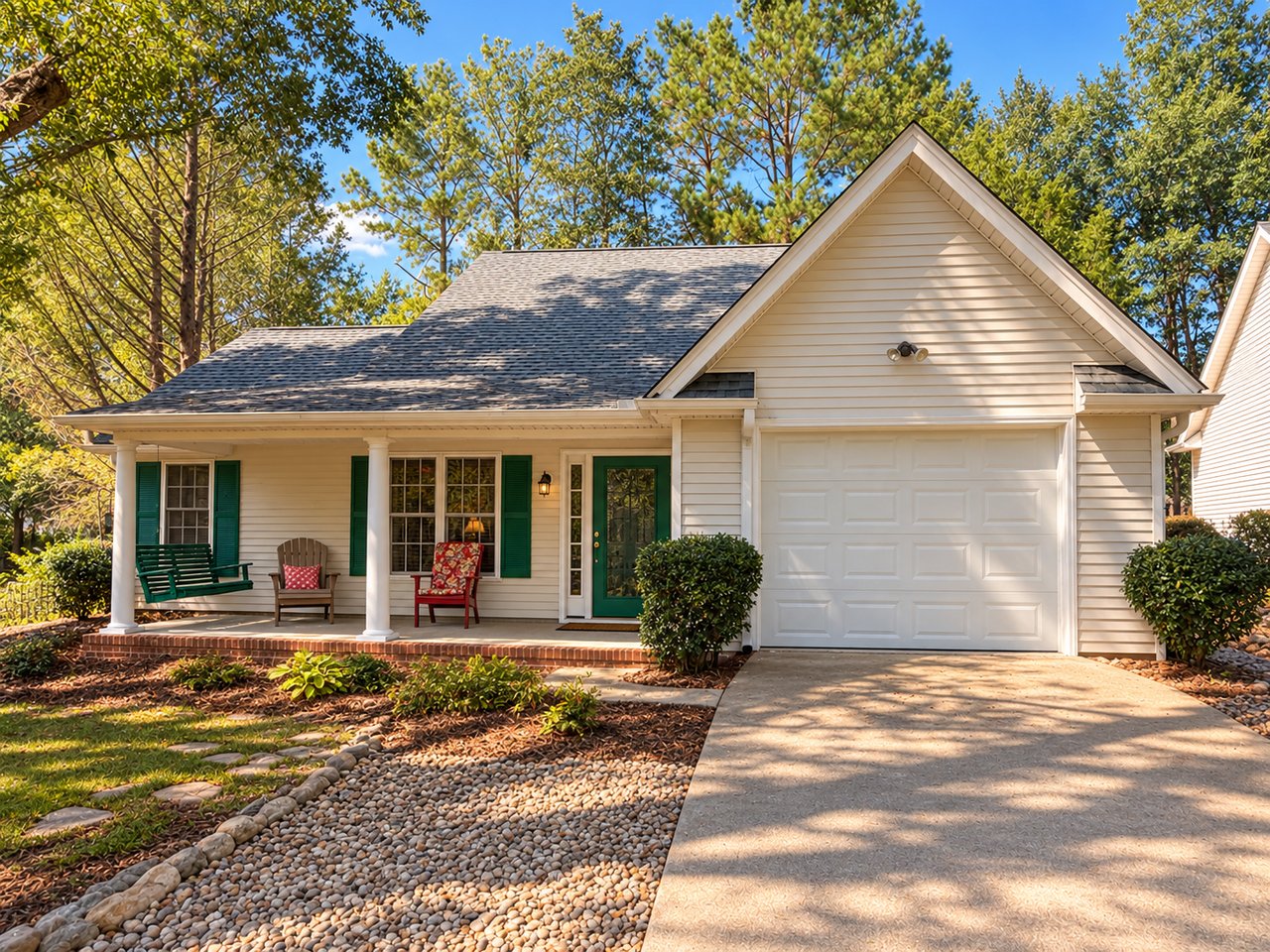
What they are. Traditional subdivisions from the 1980s through the 2000s with 2-story or 1.5-story plans, attached garages and more interior volume.
- Where they cluster: Easley and adjacent areas, including neighborhoods that serve Greenville-edge commuters.
- Typical features: Larger kitchens, family rooms, owner suites with larger closets, 2-car garages and deeper lots than in-town cottages.
- Lifestyle appeal: Space for gatherings, bedrooms upstairs for separation and conventional neighborhood amenities.
Buyer trade-offs. You get more square footage and storage at a moderate price point. You might be farther from downtown walkability, and some communities have HOA rules to review.
New builds and downtown infill
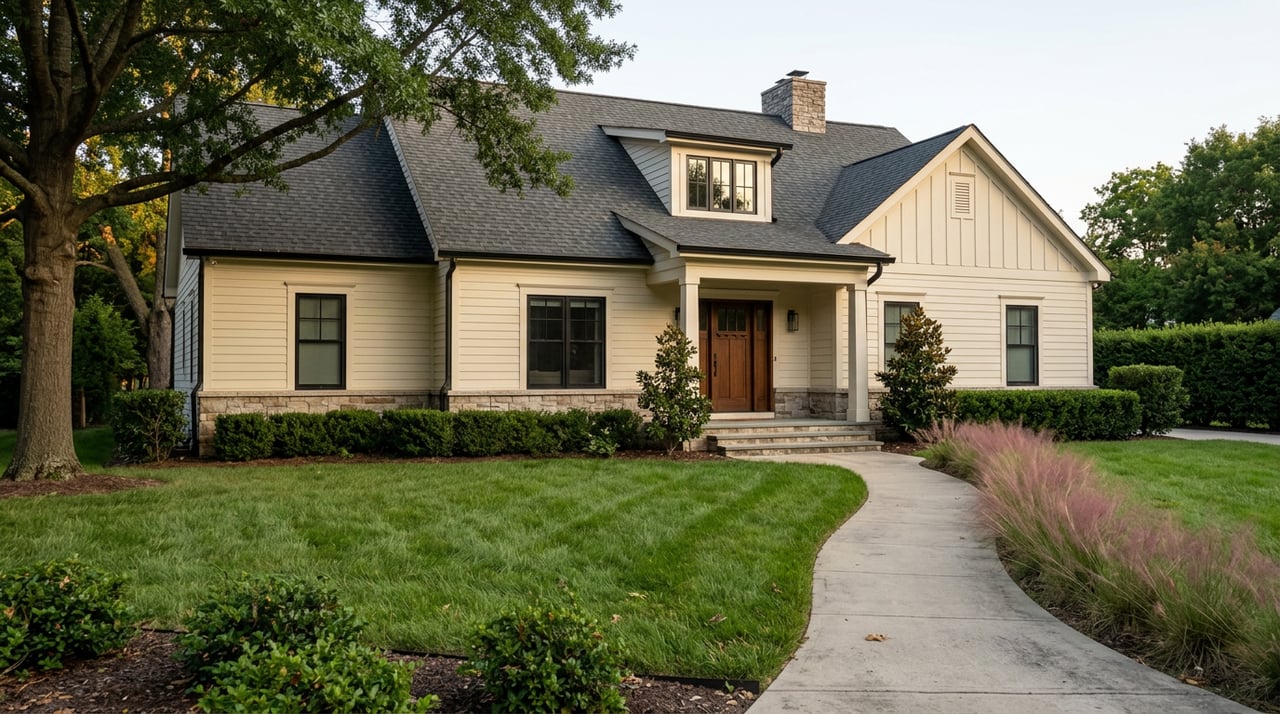
What they are. Single-family homes and townhomes built in the 2010s and 2020s, plus downtown lofts created through adaptive reuse. Newer homes bring current codes, energy efficiency and builder warranties.
- Where they cluster: Infill near core corridors and planned communities on the city’s edges. Downtown loft conversions near historic mill sites cater to buyers who want an urban-lite lifestyle with quick access to dining and events.
- Typical features: Open-concept living, modern kitchens, flex spaces and energy-efficient systems. Yards may be smaller in infill settings.
- Lifestyle appeal: Low maintenance, modern comforts and close proximity to shops, the Doodle Trail and community events.
Buyer trade-offs. New builds may cost more upfront but can save on repairs in the first few years. Smaller lots are common in infill, so consider how much outdoor space you want.
Price, value and lifestyle takeaways
- Affordability. Easley’s recent median sale price near $286k sits below Greenville’s, so your budget often stretches further here. At the same price point, you are more likely to find a detached home with a yard in Easley than in Greenville.
- Character vs convenience. Mill cottages deliver character and in-town walkability, especially near downtown revitalization. New builds deliver convenience, efficiency and predictability with fewer near-term projects.
- Commute reality. With a mean commute of about 27 minutes, many residents balance Easley’s value with drives to Greenville, Clemson or industrial parks. Consider your routes and peak-hour patterns as part of your decision. Census Reporter commute data
- Climate and lot selection. As in any Upstate market, weigh elevation, drainage and shade when you shop. Simple things like tree cover and site orientation affect comfort and electric bills.
Inspection and renovation: what to plan for by vintage
Every home deserves a full inspection. For older Easley homes, add targeted checks so you can budget wisely.
- Lead-based paint in pre-1978 homes. If the home was built before 1978, it may contain lead paint. The EPA recommends testing and following lead-safe work practices for painting or window work. See the EPA’s guidance on protecting your family from lead sources. EPA lead safety
- Electrical systems. Older panels and wiring can be a fire risk and may limit insurance options. A licensed electrician should evaluate any mid-century or earlier home. The NFPA’s research highlights aging electrical systems and arcing as common fire contributors. NFPA analysis summary
- Plumbing. Galvanized supply lines and older drain materials are common in early to mid-20th-century homes. Budget for partial or full repiping if inspections flag issues.
- Foundations and moisture. Crawlspace and pier foundations are typical in older Easley homes. Ask for a thorough crawlspace evaluation for moisture, ventilation and pest risks, and address drainage as needed.
- Energy and HVAC. Many mill cottages and mid-century homes benefit from air sealing, insulation and high-efficiency heat pumps. These upgrades improve comfort and operating costs.
Renovation ROI. National “Cost vs. Value” reporting shows exterior curb-appeal projects, targeted kitchen refreshes and critical repairs tend to recoup a higher share of costs than big additions. If resale in 3 to 7 years matters, prioritize safety and exterior first, then smart cosmetic updates. 2024 Cost vs. Value
What to look for when touring homes
Use this quick checklist to keep your search focused.
- Age and systems snapshot. Note year built, roof age, HVAC age, panel type and visible plumbing materials. Ask for seller disclosures up front.
- Layout and light. In cottages and ranches, look at natural light and how furniture will fit. In newer homes, check flex spaces for WFH, hobbies or guests.
- Crawlspace and grading. Walk the lot and look for obvious drainage paths. Ask for crawlspace photos if you cannot access safely.
- Noise and access. In mill-village areas near downtown activity, visit at different times of day. In subdivisions, drive peak-hour routes to gauge commute time.
- Potential lead and asbestos. In pre-1978 homes, assume lead is possible. Consult your inspector about any materials that may require specialty handling.
How housing type influences long-term enjoyment
- Daily convenience. If you crave morning coffee by foot and weekend events near home, older in-town homes near downtown redevelopment can be a great fit. If you prefer turnkey comfort and fewer projects, new builds or late-20th-century homes may serve you better.
- Outdoor living. Mill-village lots are compact and easy to maintain. Suburban tracts often mean deeper backyards. New infill can have smaller yards but nearby parks and trails.
- Design opportunities. Historic cottages and mid-century homes reward thoughtful updates and staging. New builds put your focus on furnishing and landscaping rather than system work.
How we help you shop and plan
With multi-generational Upstate roots and a design-forward approach, our team helps you see the story and potential in any Easley home. You get practical guidance on inspections and repairs, plus staging and visual strategy if you later decide to sell. From curated vendor referrals to thoughtful room-by-room advice, we make old homes livable and new homes feel personal.
Ready to compare a mill cottage near the action with a newer home a few minutes out? Let’s line up showings, talk budgets and map out the updates that matter most to you.
If you are considering a move in the Upstate, connect with us at Locke & Key Associates. Let’s talk about your home.
FAQs
What types of historic homes are common in Easley?
- You will most often see early 1900s mill-era cottages and bungalows near downtown, especially around the historic Woodside Mill village documented by a local marker.
How does Easley’s home pricing compare to Greenville right now?
- Early 2026 snapshots put Easley’s median sale price around $286k, which is lower than Greenville’s median, so your budget typically stretches further in Easley.
What inspections should I add for an older Easley home?
- Along with a general inspection, schedule specialty checks for electrical, plumbing, roof and crawlspace. For pre-1978 homes, follow EPA lead-safety guidance.
Are mill-village homes near downtown a good fit for walkability?
- Yes, many mill-village blocks are close to cafes, events and the Doodle Trail. They trade smaller lots and older systems for character and location.
Which renovations usually deliver better resale value?
- National Cost vs. Value data shows curb appeal, critical repairs and targeted kitchen refreshes tend to recoup more than large additions or upscale full gut remodels.