The American household is changing, and real estate is changing with it. For years, the “ideal” housing model was simple: parents and children under one roof, with grandparents nearby or adult children eventually moving out for good. Today, that picture is far less common. Housing costs are higher, caregiving needs are more complex, and families are rethinking what home should do for them. In that environment, multigenerational housing is no longer a niche solution. It is becoming one of the most practical, emotionally intelligent, and financially strategic housing choices in America. Recent Census reporting shows long-term shifts in household structure, while Pew Research found that 59.7 million Americans were living in multigenerational homes in 2021, representing 18% of the U.S. population.
Multigenerational housing usually means three or more generations living under one roof, but in practice it often includes a wider range of family combinations: parents with adult children, grandparents helping raise grandchildren, siblings pooling resources, or a blended family creating a shared household economy. The Census Bureau reported that multigenerational households made up 4.7% of all U.S. households and 7.2% of family households in 2020, both higher than a decade earlier. That matters because it shows this is not a passing trend driven by one unusual year. It reflects a deeper restructuring of how families live and how housing must function.
The Forces Driving the Shift
The biggest driver is simple: affordability. Housing payments, down payments, childcare, elder care, insurance, groceries, and transportation have all put pressure on the modern household budget. That pressure has pushed families to combine incomes, share expenses, and use housing as a tool for resilience. NAR reported that in 2024, 36% of homebuyers who purchased a multigenerational home said cost savings were the primary reason. That is a dramatic jump from 15% in 2015. NAR also noted that 21% cited children over age 18 moving back home as a reason, up from 11% in 2015.
Young adults are a major part of this story. Pew found that one-quarter of adults ages 25 to 34 lived in a multigenerational household in 2021, compared with just 9% in 1971. That is a profound generational shift. Student debt, delayed marriage, higher rents, and the cost of first-time homeownership have made the old timeline harder to sustain. For many families, bringing adult children back into the home is not failure. It is a strategy. It allows time to save, reduce debt, stabilize a career, or regroup after life changes.
There is another side to the story as well: aging parents. As families live longer, many are confronting the realities of mobility issues, healthcare support, and the emotional cost of isolation. Pew reported in late 2025 that 26% of adults age 65 and older lived alone in 2023, down from 29% in 1990. While that figure is about solo living rather than multigenerational homes directly, it supports a broader shift toward older adults living with others more often than in prior decades. For many families, multigenerational housing becomes the middle ground between independent living and institutional care.
The Different Scenarios in Multigenerational Housing
Multigenerational living is not one story. It is many stories.
One common scenario is the launch-and-return household. A college graduate moves back home after school to pay off debt and build savings. In another version, an adult child returns after divorce, job loss, or a relocation. Imagine a young couple with a toddler moving into a finished lower level at Mom and Dad’s home for 18 months. The grandparents gain more daily connection with the grandchild. The younger couple gains breathing room, reduced housing costs, and a chance to save for a down payment. In a difficult housing market, that arrangement can accelerate wealth-building instead of delaying it.
Another scenario is the caregiving household. An aging parent can still live with dignity but no longer thrives alone. A family may search for a home with a first-floor suite, private bath, or separate entrance so an older parent can stay close without losing every bit of independence. In this kind of arrangement, home becomes more than shelter. It becomes infrastructure for care. The value is not only financial; it is relational, practical, and deeply human.
Then there is the childcare partnership household. This is increasingly important for working families. Grandparents help with school pickup, after-school care, and routine support. In return, they may reduce their own housing burden or avoid living alone. The family is not just sharing a roof. It is building a stronger internal support system. In a world where childcare costs can strain monthly budgets, this type of living arrangement can transform a household’s finances and quality of life.
A fourth model is the wealth-building household. Siblings, parents, adult children, or extended family members combine resources to buy a home they could not comfortably afford on one income alone. This can open the door to better neighborhoods, more functional layouts, or properties with income potential such as a basement apartment, guest house, or accessory dwelling arrangement where local rules allow. Freddie Mac has highlighted financing flexibility around properties with ADUs, partly because these features can support buyers who need space for multigenerational living.
There is also the cultural continuity household. In many families, multigenerational living is not a new trend at all. It is a longstanding norm rooted in values of family loyalty, shared responsibility, and daily connection across generations. Pew’s research found that multigenerational living patterns vary meaningfully by race, ethnicity, age, and nativity, underscoring that this is not simply an economic phenomenon but also a cultural one.
Why This Matters to Buyers and Sellers
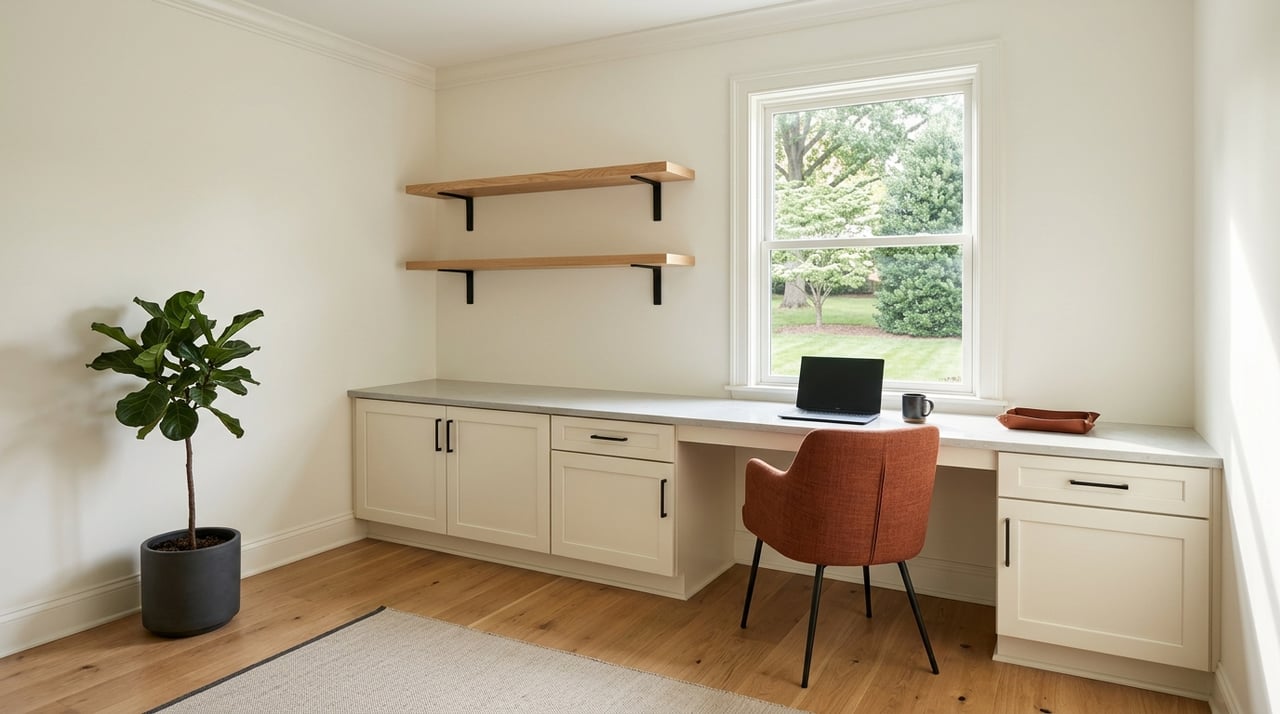
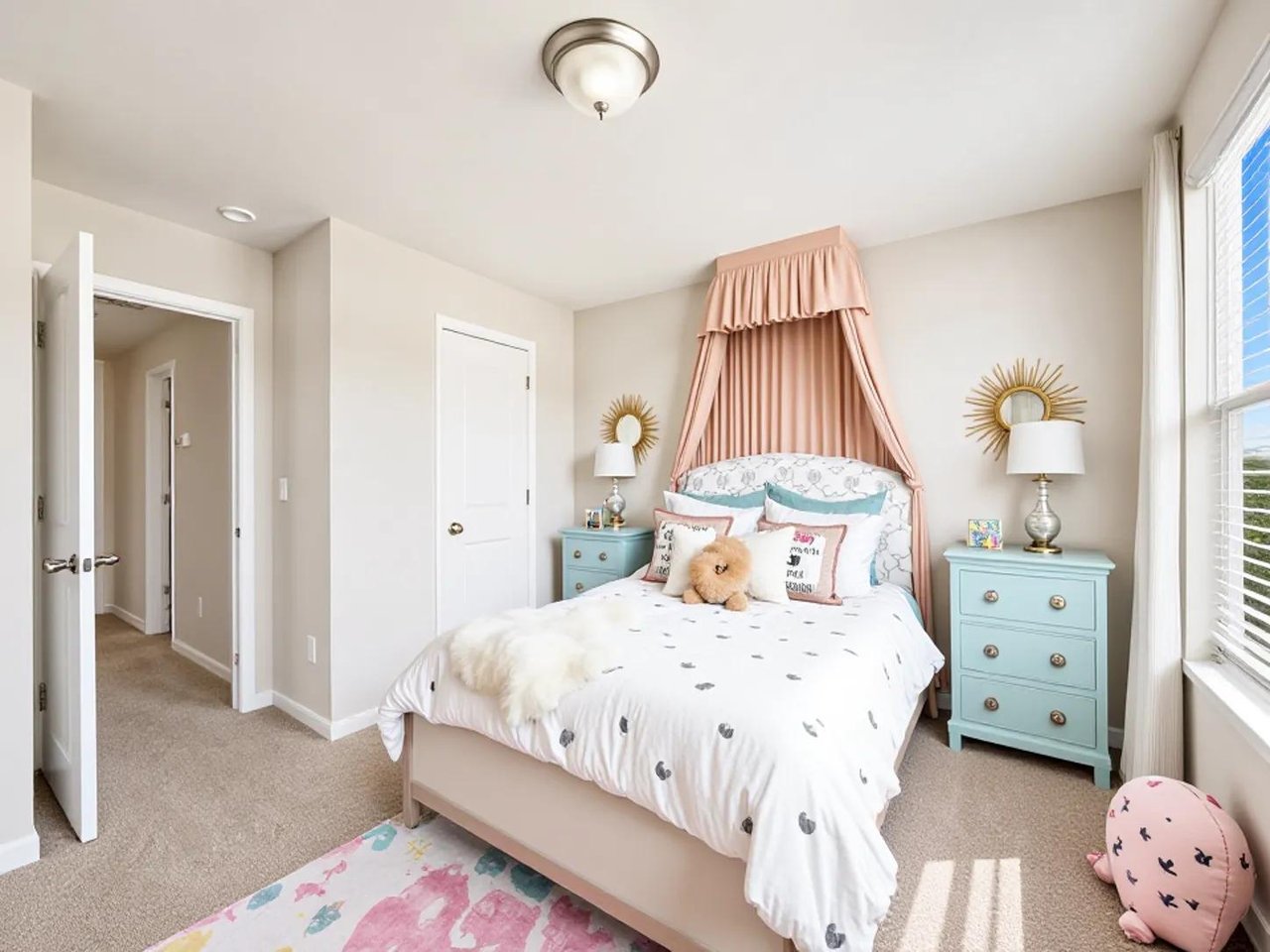
For buyers, the rise of multigenerational housing changes the search criteria. Suddenly the “extra bedroom” is not extra at all. A flex room matters. A second living area matters. A main-level suite matters. A home office may need to become a nursery, an in-law room, or a quiet work zone for a remote-working adult child. Buyers are increasingly looking at layout, privacy, parking, kitchen flow, and bathroom access through a multigenerational lens, not just through traditional square-footage comparisons.
For sellers, this creates a marketing opportunity. Homes that offer split-bedroom plans, finished basements, bonus rooms, guest suites, dual laundry options, or semi-private entrances may have stronger appeal than owners realize. A property that works for multigenerational living can solve several modern problems at once: affordability, caregiving, flexibility, and long-term planning. That means these features should be positioned strategically in marketing, photography, listing descriptions, and showing conversations.
For investors and developers, the trend signals something larger. The American family is asking more from housing than it used to. The home is becoming a place for shared economics, shared caregiving, and shared adaptation. Floor plans that acknowledge this reality are likely to stay relevant.
The Emotional Truth Behind the Trend
The statistics matter, but the stories matter just as much.
A widowed mother moves in with her daughter and regains daily companionship instead of eating dinner alone.
A young family avoids being crushed by daycare costs because grandparents help bridge the gap.
A recent graduate works for two years, saves aggressively, and later buys a first home with confidence.
A family facing medical recovery stays together instead of dividing care across multiple households.
These are not just housing decisions. They are family decisions. They are financial decisions. They are decisions about dignity, security, and belonging.
Final Thoughts
Multigenerational housing is becoming more important than ever because modern life has made isolated living harder to sustain and shared living more practical to embrace. The growth in multigenerational households reflects affordability pressures, delayed household formation among younger adults, evolving caregiving needs, and a broader redefinition of what home can be. Census, Pew, and NAR data all point in the same direction: families are adapting, and housing needs to adapt with them.
The takeaway for real estate is clear. The future is not just about bigger homes or smaller homes. It is about smarter homes—homes that allow families to live together with flexibility, privacy, and purpose. In this market, the homes that understand real life will matter most.
#MultigenerationalHousing #FamilyLiving #RealEstateTrends #HousingMarket #ModernFamilies #SharedLiving #FlexibleLiving #HomeBuying #HomeDesign #GenerationalLiving #FamilyHome #HousingSolutions #CaregivingAtHome #AffordableLiving #SmartHousing #RealEstateBlog #HomeOwnership #FamilySupport #AgingInPlace #AdultChildrenAtHome #InLawSuite #MultifamilyLiving #LifestyleRealEstate #HomeSearch #HousingNeeds #TogetherAtHome #RealEstateMarketing #MarketTrends #HomeLifestyle #RealEstateExpert