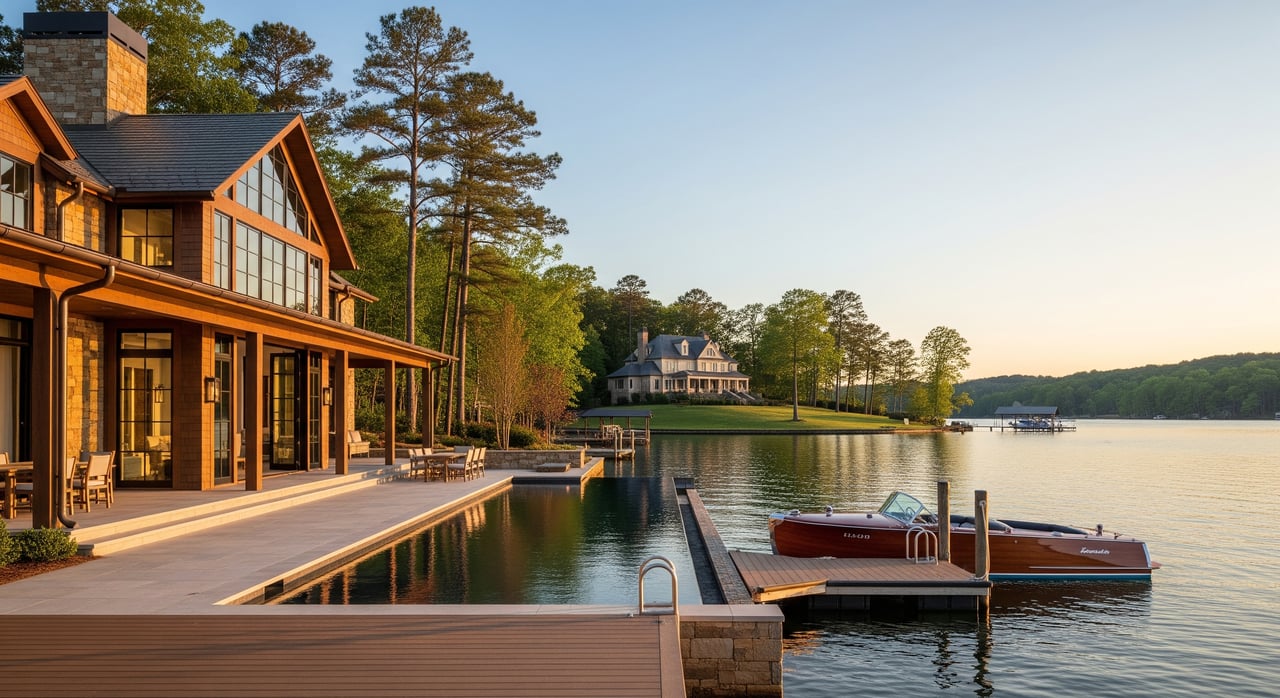
Is the view worth the price? If you are weighing a lakefront home against an off‑water option in Seneca, it can feel like comparing apples to peaches. You want the beauty and access, but you also want a smart investment that fits your lifestyle and budget. In this guide, you will learn which features drive prices up or down on Lake Keowee and Lake Hartwell, how to estimate the “waterfront premium,” and what to check before you make an offer or set a list price. Let’s dive in.
Lake choice shapes pricing
Lake Keowee and Lake Hartwell attract different buyer groups, and that affects pricing expectations. Keowee is deep and clear, and it often draws higher‑end, year‑round second‑home and retirement buyers. Hartwell offers broad recreational and boating demand with many marinas and public ramps that appeal to a wide range of buyers.
Local demand is also supported by proximity to Clemson University and the broader Upstate job and healthcare centers. Seasonality matters too. Warmer months bring more recreation‑minded buyers and short‑term rental interest, which can influence list‑to‑sale trends.
Lot and water attributes drive value
Waterfront pricing starts with the land. Direct shoreline frontage usually commands the largest premium compared to an otherwise similar off‑water home. If you have only a distant or partial view, the premium is typically smaller.
Usable shoreline length and quality matter. Gentle slopes, stable banks, and deep water that can support a dock or boathouse are more valuable than steep, rocky, or restricted shorelines. Orientation and view corridors add to appeal. Long sightlines and sunset exposures are often preferred.
What to verify on a lake lot
- Measured shoreline feet and topographic slope
- Deed language for riparian rights
- Existing dock permits and water depth near the dock
- Any easements or utility corridors along the shore
Access and amenities add measurable value
Private dock, boathouse, or a deeded boat slip can add clear, line‑item value. The closer you are to marinas, public boat ramps, lakefront parks, and restaurants, the wider the appeal.
If the home sits in an HOA or gated lake community, shared amenities and rules matter. Community ramps, marina access, and common areas can boost value. Dues, special assessments, and restrictions should be factored into your pricing plan.
Documents to gather
- HOA or POA covenants, fee schedules, and dock rules
- Slip maps or community marina agreements
- Any recorded neighborhood restrictions that affect shoreline use
Rules and permits shape the “practical” value
Both lakes have regulatory frameworks that influence what you can build, repair, or add. Lake Keowee has Duke Energy shoreline policies, and Lake Hartwell is managed by the U.S. Army Corps of Engineers. Oconee County planning and permitting, along with state environmental and septic rules, also apply.
Limits on docks, shoreline stabilization, or tree removal can cap future improvements and lower the practical value of a lot. Setbacks, buffers, and septic capacity can also reduce buildable area. Before you price or buy, confirm constraints with the managing authority and the county.
Flood risk and insurance considerations
Some waterfront parcels fall within FEMA flood zones, which can affect insurance costs and financing requirements. Higher premiums or elevation needs may narrow the buyer pool compared to a similar off‑water home.
The best approach is to check the FEMA Flood Insurance Rate Map for the specific parcel and request quotes early. This helps you understand the carrying costs and how buyers might adjust their offers.
Ongoing costs influence buyer value
Waterfront ownership comes with maintenance that off‑water homes often avoid. Seawalls, riprap, shoreline stabilization, periodic dredging, and dock repairs are real line items. Exposure to wind and weather can increase wear on exterior finishes and systems.
Smart sellers document recent shoreline permits and improvement history. Buyers should ask for repair records and expected maintenance cycles. Property taxes may differ for waterfront parcels based on county methodology, so review local assessments to avoid surprises.
Septic, utilities, and access logistics
Many lake lots rely on septic. The size, condition, and permitting of a system can limit home size, bedroom count, or future expansions. If sewer is available, note connection costs and any tap fees.
Road access matters. Steep driveways, narrow roads, or limited winter access can affect day‑to‑day living and resale. When you compare off‑water alternatives, weigh their convenience and potential for a deeded slip against the direct access of true waterfront.
Marketability and the buyer pool
Waterfront homes appeal to buyers who prioritize recreation, scenic views, or rental potential. In a fast market with tight supply, premiums can expand because shoreline is scarce. In slower conditions, price sensitivity can compress the premium.
Because lakefront buyers may be shopping in a broader radius, polished presentation and clear documentation help a listing stand out. Off‑water homes near the lake can attract value‑oriented buyers who prefer lower maintenance and lower carrying costs.
How to estimate the waterfront premium
There is no universal number. National and regional studies commonly cite premium ranges of about 10 to 40 percent, but Seneca’s actual premium depends on lake choice, shoreline scarcity, water depth, rules, and recent demand. Local comps are your definitive guide.
Use a comparative market analysis
A practical path is a CMA focused on recent, nearby sales. Target a 90 to 180 day window when possible and then adjust for:
- Waterfront status: direct frontage, dock, or view only
- Lot size, usable land, and shoreline length
- Home size, age, condition, and updates
- Amenities like pool, boathouse, slip, and garage
- Flood elevation, mitigation, and insurance
Aim for at least 3 to 5 waterfront comps and 5 to 10 off‑water comps if available. Document each adjustment so you can explain the premium estimate with confidence.
Quantitative metrics that help
- Price per square foot for structure comparison
- Price per acre or per usable shoreline foot to capture land value
- Days on market and list‑to‑sale ratio to gauge momentum
- Expected rental income if you plan a second home or investment
Two simple approaches to compare
- Direct comparison: Use similar off‑water sales and calculate the percent difference after adjustments.
- Incremental adjustments: Start with an off‑water price for the same improvements, then add line‑item values for shoreline access, dock, view, and other benefits.
What to check before you list or write an offer
You can reduce surprises by verifying a short list of essentials.
- Oconee County property records, GIS and plat maps for lot lines, easements, and shoreline measurements
- FEMA flood maps and insurance quotes for carrying cost clarity
- Lake‑specific dock and shoreline rules, plus any existing permits
- HOA documents, fee schedules, and slip availability
- Septic capacity, permits, and any recent inspections
- Recent MLS closed sales, days on market, and list‑to‑sale ratios
Seller tips for lakefront pricing
Start with two sets of comps. Pull 6 to 10 recent sales split between waterfront and off‑water to bracket value. Note each lake‑specific feature you are offering: private dock, boathouse, shoreline footage, slope, water depth, and seawall age.
Be proactive with documentation. Verify dock and shoreline permits, obtain a flood zone determination, and collect insurance quotes. Estimate annual maintenance for dock, shoreline, and exterior systems so buyers can price with clarity.
If your home is in an HOA, share covenants and fee schedules up front. Clear rules and clean presentation reduce buyer friction, which can support stronger offers.
Buyer tips to compare lakefront and off‑water
First, confirm dock rights versus view only. Ask for an elevation certificate or flood elevation information, and get insurance quotes before you finalize your budget.
Learn the dock permitting process for your target lake and confirm any restrictions on size or location. Ask about shoreline erosion history, recent stabilization work, and any planned public projects nearby.
When you consider off‑water options, compare driving minutes to a public ramp or marina, potential for a deeded slip, and the quality of the view. Sometimes an off‑water home with a slip delivers 90 percent of the lifestyle at a lower total cost of ownership.
How an experienced local advisor helps
Waterfront pricing is part data, part nuance. A local advisor who knows Lake Keowee and Lake Hartwell can assemble the right comps, interpret shoreline rules, and present your home with clarity. Design‑forward staging, professional visuals, and a thoughtful story help buyers see the full value of your lot, views, and amenities.
At the offer table, documentation is leverage. Organized permits, maintenance records, and insurance details reduce uncertainty, which supports stronger pricing for sellers and smarter budgeting for buyers.
Ready to compare numbers for your specific property or wish list? Reach out to Locke & Key Associates for a local, design‑minded plan that puts real market evidence on your side. Let’s talk about your home.
FAQs
How do Lake Keowee and Lake Hartwell affect price in Seneca?
- Keowee often draws higher‑end, year‑round second‑home and retirement buyers, while Hartwell attracts broader recreational demand, which shapes buyer expectations and pricing.
Which lot features add the most value on the lake?
- Direct shoreline frontage, deep water that supports a dock or boathouse, gentle slope, long unobstructed views, and usable shoreline footage typically add the most value.
How do rules and permits impact what I can build?
- Managing authorities set dock and shoreline policies, and county and state rules add setbacks, buffers, and septic limits that shape buildable area and future improvements.
Do flood zones make a big difference in pricing?
- Flood zones can raise insurance costs and narrow the buyer pool, which can reduce price versus a similar off‑water home, but mitigation and proper planning keep many deals moving.
What is the typical “waterfront premium” in Seneca?
- Premiums vary by lake, shoreline quality, rules, and demand; national studies often show 10 to 40 percent ranges, but local comps are the most reliable guide.
How should I compare an off‑water home with a boat slip?
- Price the home for its structure and location, then add a clear adjustment for the slip and lake access; weigh total lifestyle value against ongoing costs and convenience.
What documents should I collect before listing a lakefront home?
- Dock and shoreline permits, flood zone and insurance info, HOA covenants and fees, septic records, shoreline footage and slope details, and a comp set for both waterfront and off‑water.
Ready for a pricing strategy tailored to your lakefront or off‑water home in Seneca? Connect with Locke & Key Associates and get a clear, design‑forward plan that aligns with your goals.