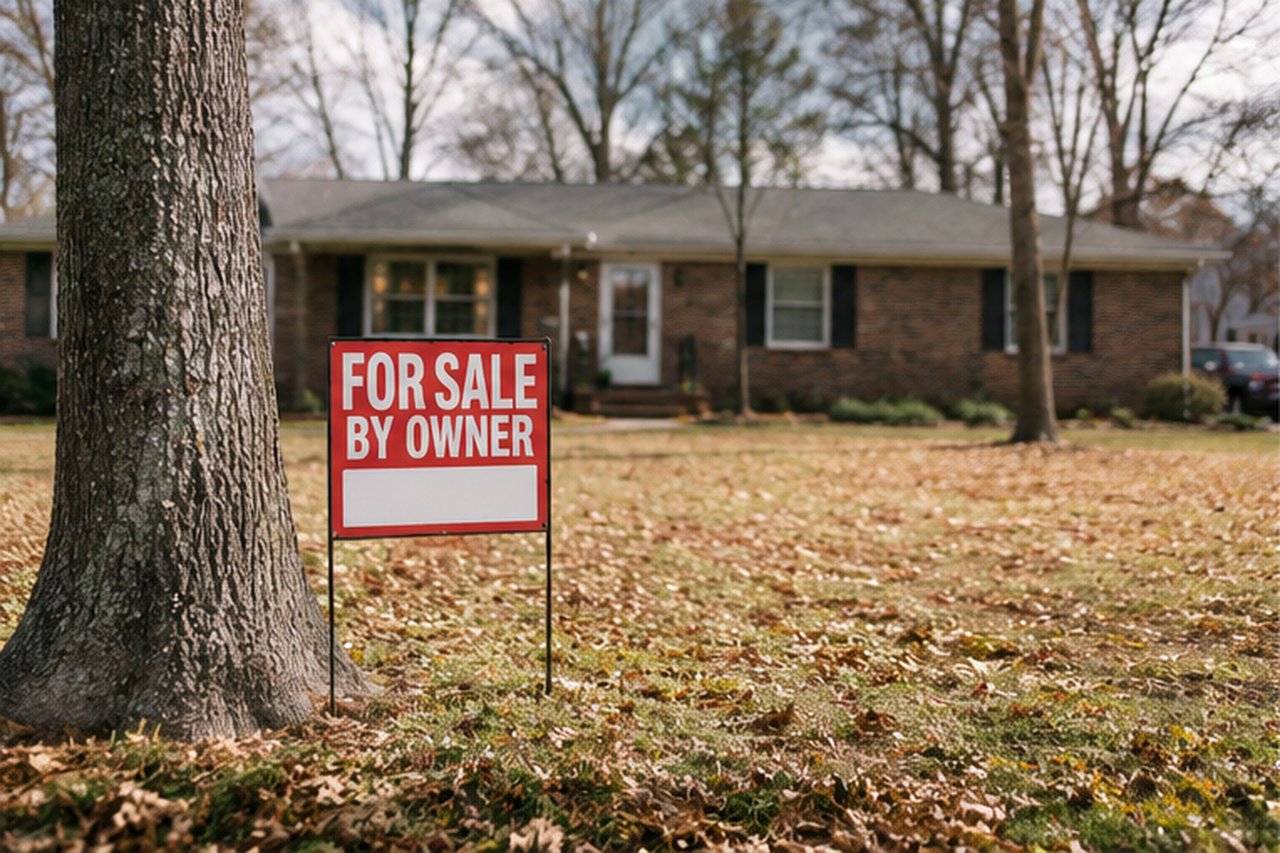
Think an “as‑is” home in Easley means no inspections, no repairs, and no recourse? Not quite. If you are buying or selling in Pickens County, understanding what “as‑is” really means can save you stress, money, and time. In this guide, you will learn how South Carolina contracts handle inspections and due diligence, what to expect from lenders and insurers, and how to negotiate with confidence.
Let’s dive in.
What “as‑is” means in South Carolina
An “as‑is” label tells you the seller is offering the property in its current condition and does not plan to make repairs as a condition of the sale. It sets expectations, but it does not erase your rights. In South Carolina, sellers typically complete a Property Condition Disclosure unless an exemption applies, and they must not misrepresent or conceal known material defects. The real power of “as‑is” comes from the purchase contract language and the contingencies you negotiate.
Here is the key point. An “as‑is” clause limits a seller’s obligation to repair, but it does not remove your right to inspect or your right to terminate within agreed timelines. It also does not protect a seller from liability for fraud or intentional concealment. Transparency still matters, and the contract still rules.
How Easley contracts handle inspections
In South Carolina, most buyers have a defined due diligence period to inspect and decide how to proceed. You usually pay a non‑refundable due diligence fee for this flexibility. During this window, you order inspections, assess the results, and either move forward, negotiate, or terminate according to the contract.
Due diligence period and fees
Your contract will set clear deadlines. You will see an inspection window, a deadline to submit any repair or credit requests, and a final date to terminate under due diligence. If you decide to walk away within the allowed window, your right to do so comes from the contract terms. If you pass those dates without taking action, your options narrow quickly.
What inspections to order in Easley
Most Easley buyers start with a general home inspection that covers structure, roof, HVAC, plumbing, and electrical. You should also consider a wood‑destroying insect inspection. If the home is older or shows signs of specific issues, add focused inspections for the roof, HVAC, or structure. If the property has a septic system or if you suspect line problems, a septic or sewer scope can protect you from surprise costs later.
Use your inspection reports to spot safety issues and to budget for repairs and upgrades. A clear list will help you negotiate and plan your first year of ownership.
How “as‑is” changes negotiations
Under “as‑is,” the seller is not automatically required to fix items that your inspections uncover. You still have options. You can request repairs or a closing credit, ask for a price reduction, or proceed and handle the work yourself after closing. If the results are not acceptable, you can terminate if you are still within your contractual termination rights.
In an “as‑is” scenario, many sellers prefer to offer credits or a price adjustment rather than manage repairs. That is especially true when the home is priced with its condition in mind.
Lender and insurance requirements
Even on an “as‑is” sale, your lender or insurance company may require certain repairs before they will fund or insure the property. Common triggers include unsafe electrical systems, active roof leaks, or clear structural hazards. If you are financing, talk with your lender early about what types of issues could delay closing. You may need a plan to handle lender‑required items through credits, price changes, or targeted repairs before closing.
Easley negotiation playbook
Local market conditions in Easley and Pickens County shape leverage. In a seller’s market, you may see fewer repair concessions and faster timelines. In a buyer’s market, buyers can press for credits, price reductions, or selective repairs. Older neighborhoods and homes with dated systems sell “as‑is” more often, so you should budget for improvements after closing.
If you are buying
- Expect to inspect. Do not skip professional inspections unless you are prepared to accept the risk and cost of repairs.
- Use the due diligence period wisely. Confirm all deadlines for inspections, repair requests, and termination.
- Lead with safety and big‑ticket items. Electrical hazards, roof damage, structural concerns, and active leaks deserve priority.
- Propose practical solutions. If the seller will not repair, ask for a closing credit or price reduction that matches the scope of the issue.
- Keep lender needs in view. If a repair is required for financing or insurance, you need a plan to satisfy it before closing.
If you are selling
- Price to condition. If you list “as‑is,” set expectations by pricing with needed updates and repairs in mind.
- Consider a pre‑listing inspection. Knowing your issues upfront helps you disclose clearly and head off renegotiation later.
- Be transparent. Complete your disclosure thoroughly and honestly. Keep records of repairs and upgrades.
- Offer simple concessions. A modest credit or a home warranty can calm buyer concerns without taking on a renovation.
Buyer checklist for Easley “as‑is” homes
Use this quick list to stay on track:
- Review the Property Condition Disclosure carefully and ask clarifying questions.
- Schedule a general home inspection plus a wood‑destroying insect inspection.
- Add specialist inspections if needed, such as roof, HVAC, structural, septic, or sewer scope.
- Track your deadlines. Note the inspection end date, response window, and termination cutoff.
- Call your lender to confirm what issues could stall your loan and how to handle them.
- Decide your negotiation strategy. Identify must‑fix safety items versus cosmetic preferences.
- Preserve key contingencies if you want maximum protection.
Seller checklist for Easley “as‑is” listings
Set your sale up for fewer surprises:
- Complete all required disclosures accurately and completely.
- Consider a pre‑listing inspection to identify issues and select smart, high‑ROI fixes.
- Price to reflect condition and the likely cost of buyer improvements.
- Prepare for negotiations with a range for credits instead of promising repairs.
- Organize documentation. Keep receipts and permits for repairs or updates.
- Align your listing and contract language with your goals, while meeting disclosure duties.
Common mistakes to avoid
- Skipping inspections. “As‑is” does not mean “do not inspect.” You need facts to make a smart decision.
- Missing deadlines. Contract windows control your ability to renegotiate or terminate.
- Assuming lenders will ignore condition. They can and do require repairs for safety or habitability.
- Overlooking disclosure. Sellers still must answer disclosure questions honestly and cannot hide known material defects.
- Focusing only on cosmetics. Address safety, structure, water, and systems first, then plan updates.
Next steps in Easley
If you are looking at an “as‑is” home, start with the disclosure, line up your inspections, and set calendar reminders for every contract date. If you are selling, decide whether a pre‑listing inspection makes sense, gather your documentation, and price with condition in mind. On both sides, clarity and timing are everything.
You do not have to navigate this alone. A local guide can help you weigh repair requests, structure credits, and keep your contract on track. If you want straightforward advice and hands‑on coordination from a boutique Easley‑area practice, reach out to Locke & Key Associates. Let’s talk about your home.
FAQs
Does “as‑is” prevent inspections in South Carolina?
- No. You typically still have the right to inspect. “As‑is” limits the seller’s obligation to repair, not your ability to gather information.
Can a buyer cancel after a bad inspection on an “as‑is” home?
- It depends on your contract. If you are within the due diligence or inspection contingency window, you can usually terminate under those terms.
Does “as‑is” protect Easley sellers from lawsuits?
- No. “As‑is” reduces repair expectations, but it does not shield a seller from liability for fraud or intentional concealment of known material defects.
Will my lender require repairs on an “as‑is” purchase?
- Possibly. Lenders and insurers can require repairs for safety, structural integrity, or habitability before closing, even when a property is sold “as‑is.”
What inspection items matter most on older Easley homes?
- Focus on structure, roof age and condition, HVAC function, plumbing and water heater, electrical safety, wood‑destroying insects, and drainage or foundation issues. Add septic or sewer checks where applicable.