If you know Clemson only for orange on Saturdays, you’re missing the real story. Life here hums along at an easy pace most days, with routines shaped by the lake, the forest, and a small-city downtown that revolves around everyday needs. Whether you work from home, want more space for a growing household, or crave a low-maintenance place to retire, you’ll find a year-round rhythm that feels welcoming and practical. This guide walks you through daily life, housing choices, recreation, and the trade-offs to consider before you make a move. Let’s dive in.
Year-round rhythm beyond football
Clemson is anchored by the university, which sets a steady beat through the semesters. Game days bring a rush of visitors, busy restaurants, and heavier traffic for a short window. The rest of the calendar leans local, with residents enjoying trails, the lakes, and neighborhood routines. You’ll feel the seasons too: lively falls, blossoming springs, lake-focused summers, and mild, quieter winters.
Daily life and essentials
Groceries, healthcare, and errands
You can handle most errands in a compact downtown and nearby corridors with restaurants, coffee shops, and service businesses. For bigger shopping trips or specialized services, you’ll head to nearby hubs like Anderson, Greenville, or Seneca. Routine healthcare is available at local clinics and urgent care sites, while major hospitals and specialty care are typically in Anderson or Greenville. Many residents pair weekly local errands with a once-a-month run to a larger center.
Commuting and regional access
Clemson sits within Upstate South Carolina, with straightforward highway access to job centers in Anderson, Greenville, and Seneca. Commute times vary by neighborhood and time of day, but many workers find them manageable. The closest major airport is Greenville-Spartanburg International, a practical option for frequent flyers. If you time your drives to avoid peak campus events, getting around is simple.
Internet and remote work
Demand for reliable broadband is high here, thanks to a blend of remote professionals and students. In-town service is generally strong, though speeds can vary in rural stretches of Pickens County. Co-working and café workspaces offer a change of scenery when you want it. The university community also brings networking events, lectures, and meetups that can be helpful for your professional life.
Schools and lifelong learning
Public K–12 schools are provided through local Pickens County schools. Beyond that, the university enriches daily life with public lectures, arts programming, museums, and continuing education options. Many residents, including retirees, take advantage of these opportunities for enrichment throughout the year.
Housing and neighborhoods
What you will find
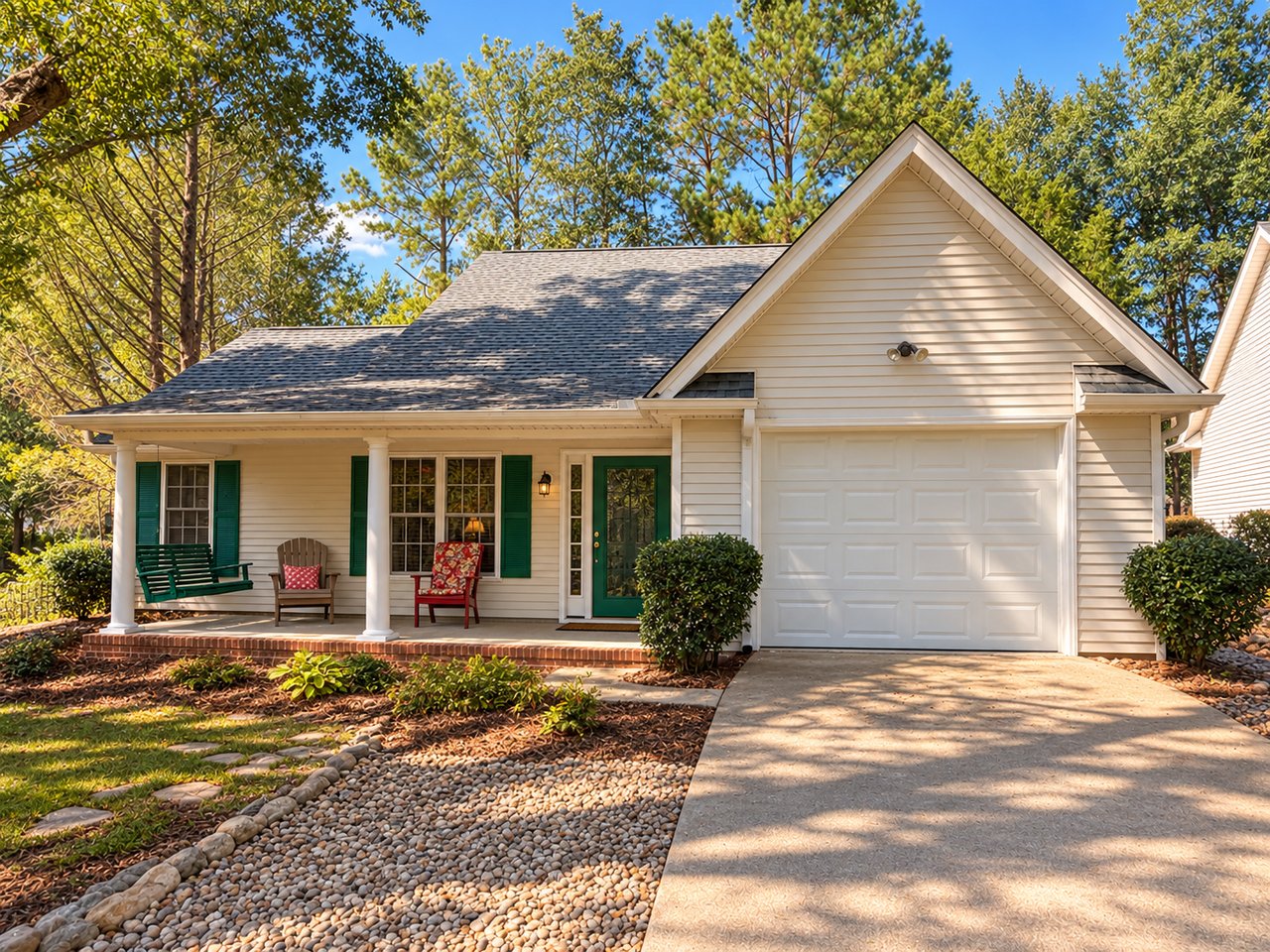
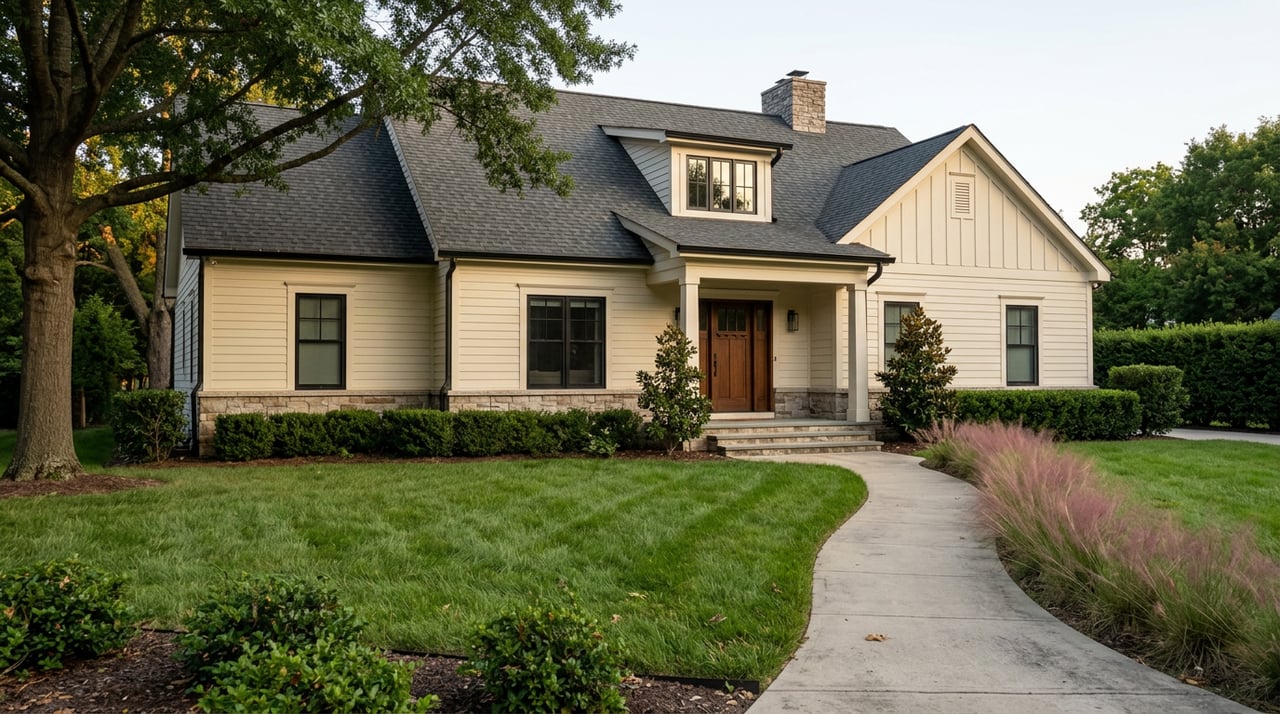
The area offers a wide mix of homes. Closer to campus, you’ll see more student-oriented rentals and mixed-occupancy streets. A short drive from downtown, you’ll find quiet single-family neighborhoods, newer subdivisions, and townhouses. The surrounding lake areas and rural tracts offer larger lots, wooded privacy, and waterfront living.
Downtown and campus-adjacent
If walkability is your priority, downtown puts you near dining, cafés, parks, and university amenities. Campus-adjacent streets can feel lively, especially during the academic year, and often include a blend of rentals and owner-occupied homes. Remote workers who like to step out for lunch or a mid-day coffee often choose this radius for convenience.
Lakeside and rural living
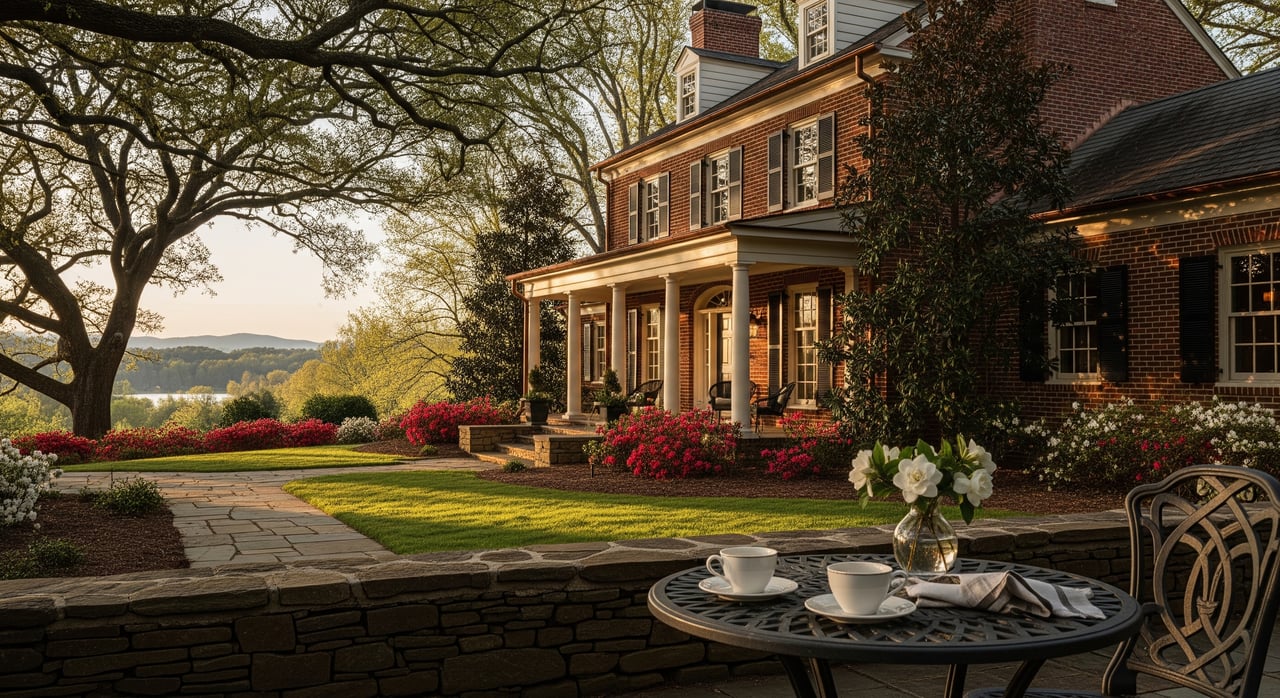
Lakeside communities near Lake Hartwell or toward Lake Keowee draw buyers who want boating, fishing, and sunset views. These pockets often carry higher price points for waterfront or water-access properties. On the rural outskirts, you can find more land, quiet nights, and starry skies, with longer drives for errands. Many retirees and move-up buyers choose these areas for space, privacy, and workshop or hobby room potential.
Practical buying notes
University calendars can affect rental availability and some purchase timelines, especially for properties that attract student tenants. If you are looking at waterfront homes, pay close attention to flood maps, shoreline conditions, and permitting rules. Insurance needs can vary by location, particularly for lakefront addresses. As with many Upstate markets, prices have trended upward with demand, and specific pockets can move quickly.
A day in the life
Remote professional
You might start with a walk through a neighborhood park or a quick loop on a local trail before logging on. With reliable in-town internet, video calls and file uploads are seamless. Lunch could be a downtown café, then an afternoon session at a co-working spot. After hours, you could meet friends for a lecture or unplug on the water as the sun dips behind the trees.
Move-up household
Mornings begin with a short school drop-off, then a commute to Greenville or Anderson. Afternoons bring a grocery stop, homework at the kitchen table, and a bike ride before dinner. Weekend plans range from backyard grilling to a family day on the lake. During football weekends, you might plan errands early, then enjoy the buzz or relax at home.
Retiree
You may volunteer at a local cultural institution, tend a small garden, or join a morning walking group. Midday could be a class or talk on campus, followed by quiet time reading on the porch. Evenings are for trying a new restaurant in town or meeting neighbors for cards. Winters are pleasant for strolling, while summers invite you to the water for cooler breezes.
Outdoors and recreation
Lakes define the Clemson lifestyle. You’ll find boating, fishing, swimming, and easy picnics along the shorelines. The Clemson Experimental Forest and campus green spaces offer miles of trails for hiking, running, and mountain biking. Within a short drive, state and regional parks open up the Blue Ridge foothills and waterfall hikes for quick day trips. Local gyms, golf courses, tennis courts, and adult leagues round out the options when you want structured fitness.
Culture, food, and connection
The food scene mixes locally owned restaurants, coffee shops, and a growing craft-beer presence. Because the university hosts concerts, speakers, and art exhibits, your calendar can be as full as you want it to be. Seasonal festivals, farmers’ markets, and downtown events create an easy way to meet people and plug into the community. Civic groups, environmental stewards, and historical societies welcome volunteers who want to give back and build roots.
Practical trade-offs to weigh
- Game day logistics: Traffic spikes and busy restaurants are part of fall weekends. Many residents plan errands around home games, use back roads, or enjoy the energy and stay local.
- Cost of living: Compared with larger metros, everyday expenses can feel manageable. Housing and insurance vary by neighborhood, especially waterfront versus non-waterfront, so budget with location in mind.
- Services and care: Police and fire coverage are routine. For advanced medical care or specialty visits, expect trips to Anderson or Greenville.
- Transportation: Outside the walkable downtown core, you will likely rely on a car for errands and commuting. Regional connectivity is good by highway, but public transit is limited.
- Climate: Summers are humid and warm, while winters are generally mild. Prepare for seasonal pollen, summer storms, and occasional heavy rainfall.
- Resale outlook: The university’s presence supports steady demand in many areas. Downtown walkability and lakefront features tend to hold strong appeal, though they often command higher upfront prices.
Try-before-you-move checklist
- Spend a weekday morning downtown to feel the local pace without visitors.
- Visit the lakes at two times of day to compare boat traffic, breezes, and light.
- Walk a loop in the Clemson Experimental Forest or a campus garden.
- Time a drive to Anderson or Greenville during your likely commute window.
- Grab coffee in a few neighborhoods to test your remote-work routine.
- Attend a public lecture, concert, or art exhibit to sample cultural life.
- If you’re lake-curious, ask about shoreline rules, dock permits, and water levels.
Ready to explore homes?
When you are ready to see how these lifestyles look in real properties, we can help you compare neighborhoods, craft a smart offer, and plan a smooth move. From design-forward listing prep to thoughtful buyer representation, you will get boutique attention backed by local roots. If you want a friendly tour or have a quick question, we are here to make it easy. Connect with Locke & Key Associates.
FAQs
Is Clemson always crowded on game days for residents?
- Only temporarily. Home-game weekends are lively, but most weeks are calm and oriented toward everyday life.
Where do year-round residents shop and get care in Clemson?
- Daily needs are met in and near downtown, while major shopping and specialty medical care are typically in Anderson or Greenville.
How long is the drive to Greenville or the airport from Clemson?
- Regional drives are straightforward by highway. Many residents consider Greenville and the airport practical for frequent trips.
Can I find quiet single-family neighborhoods near Clemson’s core?
- Yes. A short drive from downtown, you’ll find quieter pockets with single-family homes, newer subdivisions, and townhouses.
What should waterfront buyers near Clemson consider before purchasing?
- Review flood maps, shoreline conditions, and permitting rules. Plan for insurance that matches the property’s specific location and features.
Is Clemson a good fit for remote workers considering a move?
- Often, yes. In-town broadband is generally strong, co-working and café options exist, and the university community offers helpful networking.