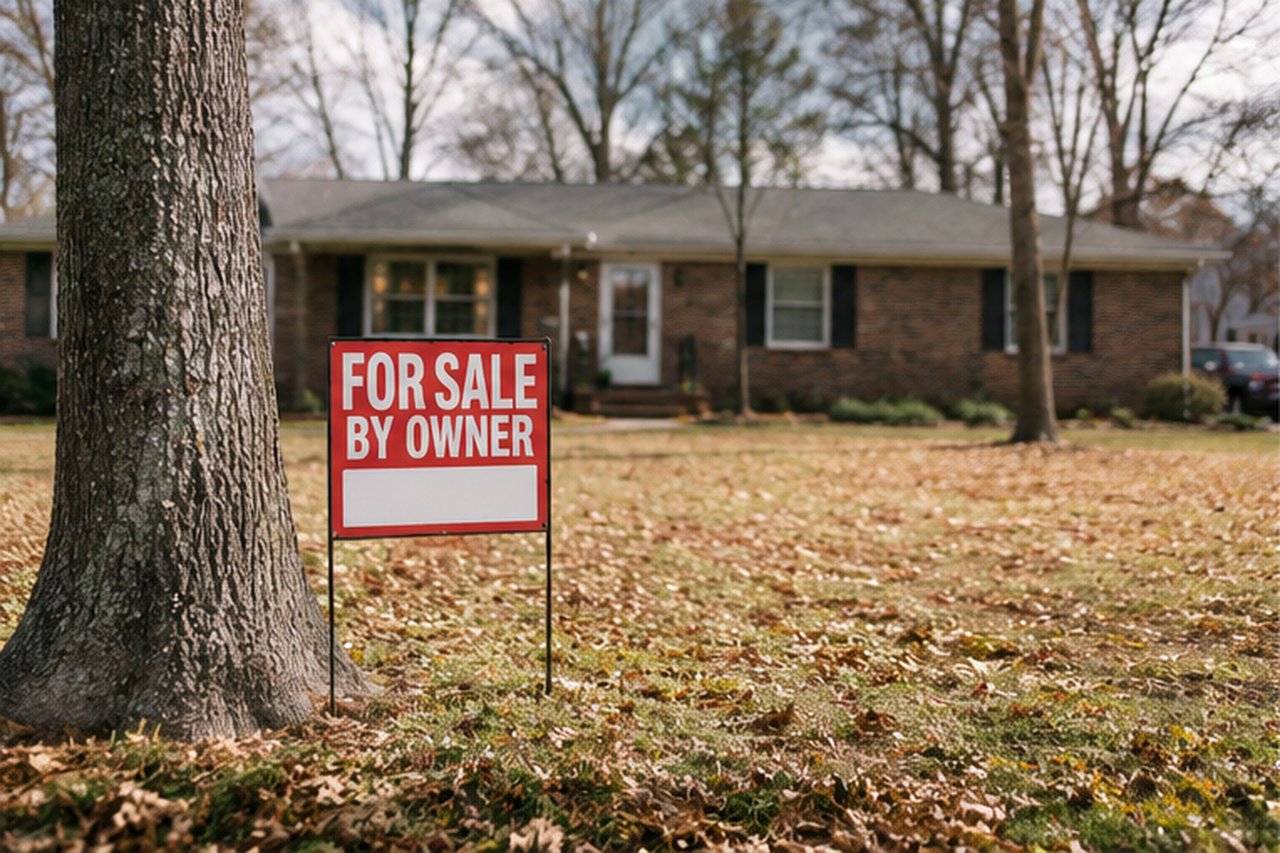
Housing affordability has become one of the rare political issues on which Republicans and Democrats agree: America needs more homes, fewer unnecessary barriers to construction, and better opportunities for families to compete in the housing market.
Congress has now overwhelmingly approved the 21st Century ROAD to Housing Act, one of the most substantial federal housing packages passed in decades. The legislation received an 85–5 vote in the Senate and a 358–32 vote in the House. As of July 10, 2026, the bill is expected to become law without the president’s signature after the constitutionally required review period expires. (AP News)
South Carolina Senator Tim Scott was one of the principal architects of the legislation, working with Democratic Senator Elizabeth Warren and bipartisan leaders in the House. That is especially significant for those of us living and working in South Carolina because many of the bill’s priorities closely reflect the housing challenges facing our state.
But what does this legislation actually do—and will it make it easier to buy or sell a home in Anderson, Greenville, Easley, Clemson, Seneca, Powdersville, Simpsonville, or elsewhere in the Upstate?
Let’s look beyond the politics and examine the practical real estate impact.
What Is the 21st Century ROAD to Housing Act?
The bill is built around a fairly straightforward conclusion: one of the primary causes of America’s housing affordability problem is that the country has not built enough homes in the places where people want and need to live.
The legislation attempts to address that problem by:
- Encouraging the construction of additional housing
- Reducing regulatory delays and unnecessary development costs
- Supporting local zoning and permitting reform
- Expanding access to manufactured and modular housing
- Improving certain federal housing and lending programs
- Supporting community banks and smaller mortgage lenders
- Limiting purchases of single-family homes by certain large institutional investors
- Improving disaster-recovery and housing-resiliency programs
- Expanding opportunities for housing counseling and homeownership preparation
The final bill combines provisions related to housing supply, homeownership, manufactured housing, veterans’ housing, community banking, federal program reform, and institutional investment in single-family homes. (Bipartisan Policy Center)
This is not a federal program that will suddenly hand every buyer a down payment or cause mortgage rates to fall overnight. Its most meaningful effects are likely to emerge gradually as federal agencies, states, counties, cities, lenders, developers, and builders begin implementing its provisions.
The Bill Does Not Control Mortgage Rates
Let’s begin with an important distinction.
Congress does not directly set conventional mortgage rates. Mortgage rates are influenced by inflation, Federal Reserve policy, bond markets, economic growth, investor expectations, and global events.
Therefore, buyers should not expect this bill to immediately produce dramatically lower interest rates. Analysts examining the legislation have similarly cautioned that it is unlikely to reduce home prices or borrowing costs immediately. Its principal benefit is expected to come from expanding housing supply and improving competition over time. (MarketWatch)
That does not mean the bill is unimportant. Increasing the number and variety of homes available could eventually reduce some of the pressure that has pushed prices beyond the reach of many families.

Why Housing Supply Matters in Upstate South Carolina
Upstate South Carolina continues to attract people because of its employment opportunities, universities, manufacturing base, lakes, relatively moderate cost of living, and proximity to Charlotte and Atlanta.
New residents are arriving from more expensive markets, often bringing greater purchasing power with them. That population growth has contributed to rising rents and home prices, particularly in and around Greenville, Simpsonville, Greer, Easley, Clemson, and desirable areas of Anderson County. (Greenville Journal)
Although inventory has improved in portions of the Upstate during 2026, affordability remains a challenge. Greater Greenville has experienced a significant increase in active listings and longer marketing times, while Greenville homes have recently taken longer to sell than they did a year earlier. (Upstate Commercial Real Estate News)
That creates an unusual market.
Buyers may have more choices and negotiating power than they had during the pandemic-era frenzy, but many still struggle with monthly payments, insurance, taxes, maintenance expenses, and interest rates.
Sellers, meanwhile, are discovering that simply placing a house on the market is no longer enough. Buyers are more selective, pricing matters tremendously, and homes that need major improvements may face greater resistance.
The ROAD to Housing Act is designed to address the longer-term supply side of this equation.
How the Bill Could Help Upstate Buyers
More Housing Choices
The clearest potential benefit for buyers is the possibility of more available housing.
Federal incentives and streamlined regulations could encourage local governments and developers to approve:
- Smaller single-family homes
- Townhomes
- Patio homes
- Duplexes
- Accessory dwelling units
- Mixed-use communities
- Manufactured homes
- Modular and factory-built homes
- Entry-level developments on smaller lots
Not every community will embrace every housing type. Local zoning decisions will continue to matter. However, the legislation is intended to give communities stronger incentives and better tools to remove unnecessary barriers to construction. (Senate Banking Committee)
For Upstate buyers, that could eventually mean more alternatives between renting an apartment and purchasing a large detached house.
Greater Support for Manufactured Housing
Manufactured housing is particularly relevant in Anderson, Oconee, Pickens, Abbeville, and other less densely developed Upstate counties.
Anderson County continues to issue a substantial number of permits involving new, relocated, and replacement manufactured homes. County records show dozens of manufactured-home-related permits during individual months in 2026. (Anderson County)
The federal legislation seeks to modernize financing and remove outdated barriers affecting manufactured housing. This could help some buyers obtain more affordable homes, especially when the home is properly installed, permanently affixed, titled appropriately, and placed on suitable land.
However, buyers must still investigate:
- Land ownership
- Permanent-foundation requirements
- Title status
- Financing eligibility
- Insurance availability
- Local restrictions
- Well and septic systems
- Resale potential
Manufactured housing can provide tremendous value, but the structure of the transaction is just as important as the purchase price.
Less Competition From Large Institutional Buyers
One of the most discussed portions of the bill concerns large corporate and institutional purchasers of single-family homes.
The legislation includes restrictions intended to prevent certain large investors from accumulating additional single-family properties and outbidding individual families. (Senate Banking Committee)
The effect may be more noticeable in larger metropolitan areas where institutional investors purchase entire groups of homes. The Upstate has certainly experienced investor activity, but conditions vary greatly by neighborhood and price range.
For a first-time buyer attempting to purchase a modest home, even a small reduction in institutional competition could be helpful. It may create more opportunities for owner-occupants, particularly in neighborhoods with large numbers of entry-level rental properties.
That said, the provision will not eliminate all investor competition. Individual landlords, small investment companies, renovation buyers, and cash purchasers will remain active.
Better Access Through Community Lenders
The bill also includes provisions involving community banks and smaller financial institutions.
That could be important in South Carolina, where local lenders often understand rural properties, manufactured housing, land-home packages, agricultural characteristics, and neighborhood conditions better than a large national lender working from a distant processing center.
Community banks can sometimes offer more flexibility for unusual properties, although every buyer must still meet the lender’s credit, income, appraisal, and underwriting requirements.
More Housing Counseling
Buying a home requires more than saving a down payment.
Buyers must understand credit, inspections, insurance, property taxes, closing expenses, maintenance, agency relationships, and the long-term cost of ownership. Expanded housing counseling could help more purchasers prepare before entering the market and reduce the risk of buying a home they cannot comfortably maintain.
What the Bill Does Not Guarantee Buyers
Buyers should keep their expectations realistic.
The bill does not guarantee:
- Lower mortgage rates
- Immediate reductions in home prices
- Free down-payment money for every buyer
- Approval for a mortgage
- New construction in every community
- Elimination of local zoning restrictions
- Protection from normal market competition
- A nationwide buyer’s market
Housing markets are local. A shortage of lakefront homes on Lake Hartwell is different from a shortage of starter homes in Anderson. Greenville’s downtown condominium market behaves differently from rural property in Townville or Honea Path.
Federal policy can create opportunities, but local land availability, infrastructure, sewer capacity, permitting, construction costs, and consumer demand will determine where new homes are actually built.
How the Bill Could Affect Upstate Sellers
At first glance, a bill designed to build more housing may sound negative for current homeowners. More supply can mean more competition.
The reality is more nuanced.
More Buyers May Become Capable of Purchasing
A healthier housing system can create more qualified buyers.
When buyers have access to counseling, community lenders, manufactured-housing financing, and a greater variety of entry-level homes, more households may be able to move from renting to ownership.
That creates movement throughout the market.
A first-time buyer purchases a starter home. The starter-home seller moves into a larger property. The owner of that larger property downsizes or relocates. Each transaction makes another transaction possible.
More attainable entry points can therefore support the entire housing ladder.
Sellers May Face More New-Construction Competition
The greatest challenge for some existing-home sellers will be competition from new construction.
If builders can bring more homes to market with fewer delays, buyers may compare an older resale property against a new home offering:
- Builder warranties
- Energy-efficient systems
- Modern kitchens and bathrooms
- Lower immediate maintenance
- Closing-cost incentives
- Mortgage-rate incentives
- Contemporary floor plans
Sellers of older homes will need to compete strategically.
That does not always mean completing a major renovation. It may mean improving presentation, correcting deferred maintenance, offering a sensible price, or providing concessions that help a buyer address closing costs or future improvements.
Accurate Pricing Will Become Even More Important
The market has already moved away from the extreme conditions of 2021 and 2022.
In many Upstate communities, buyers now have more time to compare homes. They are carefully evaluating condition, location, insurance expenses, renovations, monthly payments, and resale potential.
As inventory grows, overpriced listings can sit on the market while properly positioned homes sell.
The federal housing bill will not make accurate pricing less important. It could make it even more important.
Sellers should study:
- Recently sold homes
- Current competing listings
- New-construction incentives
- Price per square foot
- Days on market
- Price reductions
- Buyer concessions
- Property condition
- Neighborhood-specific demand
Pricing is a strategy, not a guess.
Well-Maintained Existing Homes May Become More Valuable
Not all buyers want to wait for a new development to be completed.
Many prefer established neighborhoods with mature trees, larger lots, architectural character, and convenient locations. A well-maintained resale home may continue to outperform new construction when it offers qualities that cannot easily be duplicated.
Older homes in neighborhoods such as Linley Park, North Anderson, historic Pendleton, established portions of Greenville, and mature lake communities can offer location and character that new subdivisions may not provide.
The key is presenting those advantages clearly while addressing the concerns buyers have about roofs, HVAC systems, foundations, plumbing, electrical systems, moisture, and energy efficiency.
What the Bill Could Mean for Home Builders and Developers
Builders may benefit from faster reviews, reduced regulatory obstacles, support for innovative building methods, and improved access to financing.
In theory, those reforms could lower the cost of producing a home. In practice, several other costs remain:
- Land
- Labor
- Materials
- Utility connections
- Roads and infrastructure
- Insurance
- Development financing
- Local impact requirements
- Building-code compliance
Reducing red tape can help, but it does not make land or labor free.
The most successful Upstate communities will likely be those that can encourage responsible housing growth while also planning for roads, schools, utilities, stormwater, public safety, and quality of life.
Could This Change Local Zoning?
The federal government generally does not write local zoning ordinances. Cities and counties retain enormous control over land use.
However, federal funding and grant programs can encourage communities to reconsider regulations that prevent housing development.
That may lead to local conversations about:
- Minimum lot sizes
- Density
- Townhome development
- Accessory dwellings
- Mixed-use construction
- Parking requirements
- Manufactured housing
- Permit-processing times
- Redevelopment of underused commercial properties
These discussions will often be politically difficult.
Longtime residents may worry about traffic, overcrowding, infrastructure, neighborhood character, or declining property values. Housing advocates may argue that restrictive rules prevent teachers, first responders, service employees, young families, and retirees from living in the communities they serve.
Both concerns deserve serious attention.
The solution is not unplanned development. It is thoughtful growth that expands housing while protecting infrastructure, safety, property rights, and community character.
The Importance of Manufactured and Modular Homes in the Upstate
One of the bill’s most promising areas for South Carolina may be its recognition of factory-built housing.
Modern manufactured and modular homes can provide attractive, energy-efficient housing at a lower construction cost than many site-built alternatives.
They could be especially useful for:
- Young buyers who already own family land
- Retirees seeking smaller homes
- Rural households
- Families replacing older mobile homes
- Buyers priced out of conventional new construction
- Property owners creating multigenerational living arrangements
However, communities must distinguish between older perceptions of mobile homes and today’s higher-quality manufactured and modular products.
Financing, site preparation, permanent foundations, exterior design, maintenance, and neighborhood compatibility will all influence long-term value.
Will the Bill Lower Home Prices?
Possibly over time—but “lower prices” may not mean that home values collapse.
A more likely result would be slower price growth and improved affordability relative to household income.
For example, instead of prices rising rapidly because ten buyers are competing for two homes, additional construction might create six or seven suitable choices. Buyers would have more negotiating power, and sellers would face greater pressure to price reasonably.
Nationally, home prices remain near record levels, and available inventory is still below historical norms despite recent improvement. (AP News)
A well-functioning market does not require homeowners to lose equity. It requires enough supply that buyers can participate without being pushed into unsustainable financial decisions.
Will the Bill Hurt Property Values?
I do not expect this legislation by itself to cause a broad decline in Upstate property values.
South Carolina continues to benefit from population growth, employment investment, migration, relatively low property taxes, major employers, universities, tourism, and access to lakes and outdoor recreation.
Location, school assignments, property condition, lot quality, neighborhood appeal, and local demand will continue to influence value far more than the existence of a single federal housing program.
Certain properties could face increased competition from new construction, particularly homes in newer suburban price ranges. But desirable, well-maintained properties in strong locations should continue to attract buyers.
A South Carolina-Led Bipartisan Compromise
Housing policy is politically complicated because it touches taxes, lending, zoning, private property, federal spending, local authority, development, and neighborhood preservation.
The ROAD to Housing Act does not represent everything Republicans wanted or everything Democrats wanted.
That is precisely why it passed with such large bipartisan majorities.
Republicans generally emphasized supply, deregulation, local flexibility, community banking, and taxpayer protections. Democrats generally emphasized affordability, housing access, institutional-investor restrictions, federal housing programs, and support for vulnerable households.
The final legislation combines portions of both approaches. (Senate Banking Committee)
Whether every provision works as intended will depend on implementation. But the overwhelming vote demonstrates that housing affordability has moved beyond ordinary partisan disagreement and become a national economic priority.
My Advice for Upstate Buyers
Do not put your homeownership plans on hold expecting this bill to suddenly transform the market.
Instead:
- Speak with a trusted lender and establish a comfortable monthly-payment range.
- Consider property taxes, insurance, utilities, maintenance, and HOA expenses—not just the purchase price.
- Compare resale homes, new construction, townhomes, and manufactured housing where appropriate.
- Complete thorough inspections and investigations.
- Ask about seller concessions and builder incentives.
- Focus on the right property and financial structure rather than attempting to predict the perfect market.
- Review agency representation and financing before beginning serious showings.
The best buying decision is one that works for your life and budget today while remaining sustainable over the years ahead.
My Advice for Upstate Sellers
The possibility of additional housing supply makes professional preparation even more valuable.
Before listing:
- Study current competition, including new construction.
- Address visible deferred maintenance.
- Improve cleanliness, lighting, landscaping, and presentation.
- Use professional photography and compelling marketing.
- Price according to current market evidence rather than past expectations.
- Consider concessions that improve affordability without unnecessarily reducing the price.
- Reassess the strategy quickly if the market does not respond during the first few weeks.
Buyers will continue purchasing excellent homes. The properties most likely to struggle will be those that are overpriced, poorly presented, or burdened by unresolved repair concerns.
The Bottom Line
The 21st Century ROAD to Housing Act is not an instant cure for America’s housing challenges.
It will not immediately lower mortgage rates, erase construction costs, or make every home affordable. Local governments, builders, lenders, and markets must still turn federal policy into actual housing.
However, the bill does address several genuine problems:
- The country needs more homes.
- Development often takes too long and costs too much.
- Buyers need more housing choices.
- Manufactured housing deserves better financing options.
- Families should have a reasonable opportunity to compete against very large institutional purchasers.
- Local lenders and communities need greater flexibility.
- Housing policy must reflect both affordability and responsible growth.
For Upstate South Carolina, the long-term result could be a broader range of homes, more opportunities for first-time buyers, increased competition for some sellers, and important local debates about how and where our communities should grow.
Real estate will remain local. Anderson will not react exactly like Greenville. Clemson will not behave exactly like Seneca. Lake Hartwell property will not follow the same patterns as an entry-level home in Belton or Williamston.
That is why buyers and sellers need more than a national headline. They need sound local information, careful financial analysis, accurate pricing, and a strategy built around the specific property and community.
At Locke & Key Associates, we will continue following the implementation of this legislation and explaining what it means for real estate throughout Upstate South Carolina.
David Locke, Realtor®
Locke & Key Associates at Keller Williams Western Upstate
This article is provided for general educational purposes and should not be interpreted as legal, tax, lending, or financial advice. Federal programs and eligibility requirements may change as agencies implement the legislation.