Short answer: maybe. It depends on motivation, pricing, and how flexible you are. Winter and holiday months bring fewer buyers — but the buyers who are out look different, and the Southeast’s mild climate changes the calculus compared with colder regions. Below I walk through the recent data, clear pros and cons, and an actionable decision checklist so you can choose what’s best for your sale.
What the data says (quick summary)
-
The market generally slows down in November–December, with fewer showings and longer days on market compared with spring and summer — Realtor.com reported a meaningful holiday slowdown and that homes spent more days on market in December. (Realtor)
-
That said, not all winters are weak: seasonality shifted some in recent years as rates and inventory moved; listings in late-year months sometimes still sell if priced properly and if buyers are motivated. Zillow’s research still shows a spring “premium” for sellers overall, but winter can work under the right conditions. (Zillow)
-
There were also elevated delistings in December 2024 as many sellers pulled listings and waited for spring — an indicator that some sellers chose to pause rather than accept discounts. (The Wall Street Journal)
(Those are the big signals: fewer shoppers, but often more serious ones; spring historically brings stronger competition and slightly higher sale premiums.)
Why you might keep your home on the market through the holidays/winter (Pros)
-
Less competition = more buyer attention (if your house shows well). Many sellers pull their homes, so the buyers who are active see fewer options and may be more likely to notice well-priced, move-in-ready homes.
-
Buyers in winter are usually serious and time-sensitive. Relocations, job changes, and buyers who need year-end closings don’t wait for spring. That seriousness can mean cleaner negotiations. (Realtor)
-
Faster transaction timing for motivated sellers/buyers. If you need to sell before year-end for tax or life reasons, keeping it live may be your only realistic option.
-
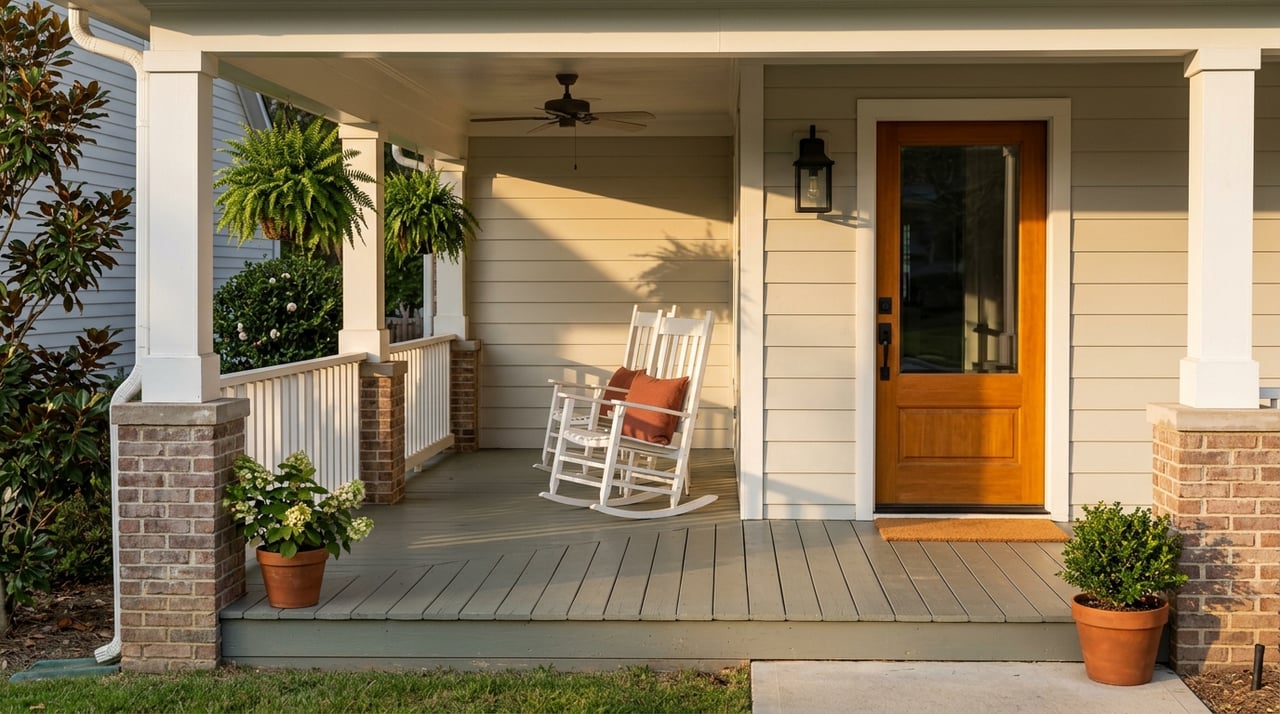
Southeast weather helps curb appeal. With milder temperatures and less snow, outdoor staging and photos remain attractive through the holidays — your exterior photos often stay relevant. (This is a regional practical advantage.)
-
Potential to catch bargain hunters and investors. Some buyers look for discounted deals in winter and will move quickly on a fair listing.
Why you might pause or withdraw and relist in spring (Cons)
-
Lower buyer traffic; longer time on market. On average, listing activity and buyer tours decline in December and January — which can translate into longer exposure and more price reductions. Realtor.com and other sources saw December slowdowns and increased days on market. (Realtor)
-
Spring often brings a price premium. Historically the highest sale premiums occur in spring (March–May). Zillow’s research shows a measurable spring advantage for sellers who can time the market. If you can wait and want maximum price, holding until spring can pay off. (Zillow)
-
Risk of delisting/relist fatigue and stigma. Homes that sit and are relisted may attract lower offers — some buyers assume a reason for the delay and will push harder. A significant number of sellers pulled listings last December, sometimes choosing to relist later. (The Wall Street Journal)
-
Holiday clutter and restricted showing windows. Family schedules and holidays make showings trickier; inconsistent access can lose momentum with buyers.
Southeast-specific considerations
-
Climate: Because winters are typically mild, curb appeal and outdoor photos remain strong — you won’t get the “brown yard” penalty that northern sellers might.
-
Relocation flows: The Southeast still attracts relocations (jobs, retirees, lifestyle), and relocation buyers can be active year-round.
-
School calendars: Families often move in summer, so spring listings that close before school starts are attractive to them — that’s another reason spring can be stronger.
(These are practical, region-driven points rather than new national metrics.)
Practical tactics if you keep your home on the market now
-
Price realistically from day one. Winter buyers are fewer — overpriced homes get ignored. Use a competitive initial price to generate interest.
-
Stage for the season — tastefully. Keep holiday decor minimal, well-lit, and family-oriented. Avoid personal or religious displays that could alienate buyers; let your home feel cozy, not cluttered.
-
Make showing easy. Offer flexible showing windows and clear instructions to make jump-in offers possible for out-of-town or busy buyers.
-
Highlight year-round selling points. Emphasize features buyers care about now: energy efficiency, heated rooms, garage/workspace, proximity to jobs/schools, and the outdoor living usability the Southeast offers in cooler months.
-
Keep marketing fresh. Rotate new photos (if the weather/lighting improves), post virtual tours, and run targeted online ads to reach relocation buyers.
-
Set a review point. Decide in advance (e.g., 30–45 days) whether you’ll adjust price, change marketing, or pause the listing — don’t let it drift indefinitely.
-
Consider off-market options. If you want to avoid the seasonal stigma but still want to find a buyer, a well-managed “quiet” marketing campaign to buyer agents or investors can work.
If you take it off the market and relist in spring — what to do in the meantime
-
Make improvements (small renovations, paint, curb work) so the house hits spring as “new and improved.”
-
Line up a seasonal marketing plan (professional photos, peak-listing week targeting). Zillow and Realtor.com data show late spring weeks often produce the highest sale premiums. (Zillow)
A few realistic scenarios — what I’d recommend
-
You’re motivated to move quickly (job/tax reasons/ bought another house): Keep it listed. Price aggressively and be ready to negotiate. Winter buyers can be decisive. (Realtor)
-
You’re chasing top dollar and can wait: Consider pausing and relisting in spring — historically that’s when sellers see the biggest premiums. (Zillow)
-
You’re priced at or below market and home shows great: Keep listing — properly priced homes often sell even when overall traffic is lower. (With more inventory this past December, well-priced homes still moved.) (Realtor)
Final, honest takeaway
There’s no universal right answer. The data shows a seasonal slowdown during the holidays with longer days on marketand fewer shoppers, but also fewer competing listings and more serious buyers for those who stay active. If timing is critical or your pricing/condition is compelling, winter can work. If you want to maximize price and can wait, spring historically beats the holidays.
#WinterRealEstate #HolidayHomeSelling #SellInWinter #RealEstateMarketTrends #ListingSeason #HomeSellingTips #RealEstateAdvice #SoutheastRealEstate #WinterMarket #HolidayHomeTips #UpstateSCRealEstate #SouthernHomes #SoutheastHomes #SCRealtor #AndersonSCRealtor #GreenvilleSCRealEstate #SouthernLivingHomes #CarolinaRealEstate #HomeSellers #ThinkingOfSelling #ListYourHome #SellSmart #SellerStrategy #MaximizeYourSale #RealEstatePros #RealtorTips #MarketData #HousingTrends #RealEstateInsights #HousingMarket2025 #MarketShift #ListingStrategy #HolidaySelling #FestiveListing #WinterListing #HolidayBuyers #WinterHomeSearch #DavidLockeRealtor #LockeAndKeyAssociates #YourRealtorDavidLocke