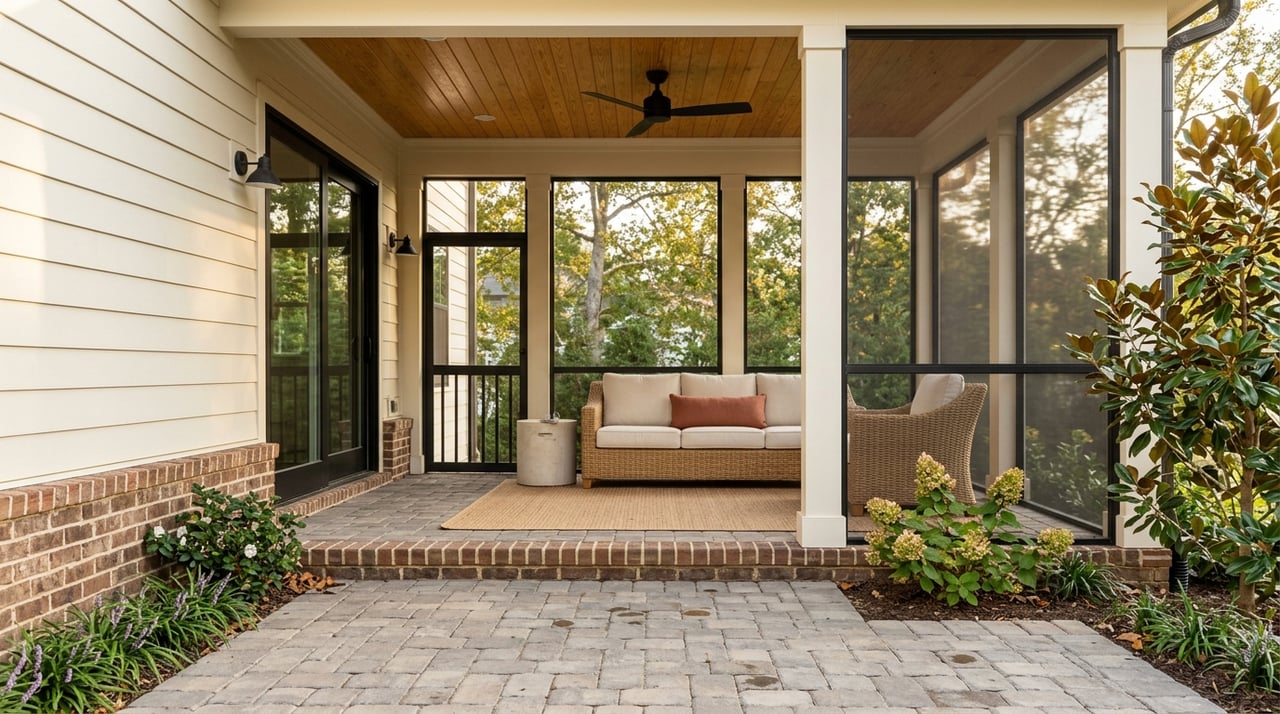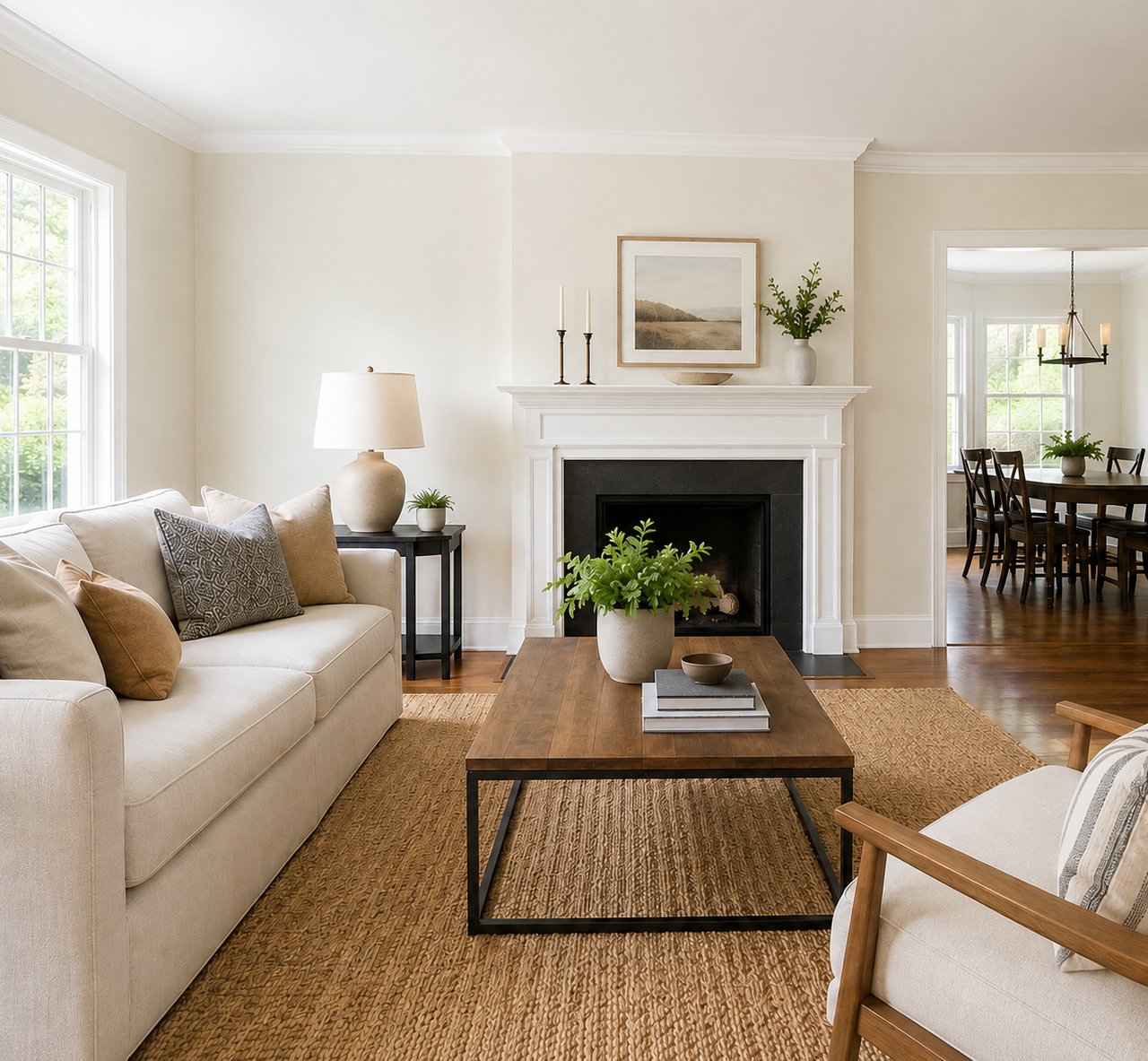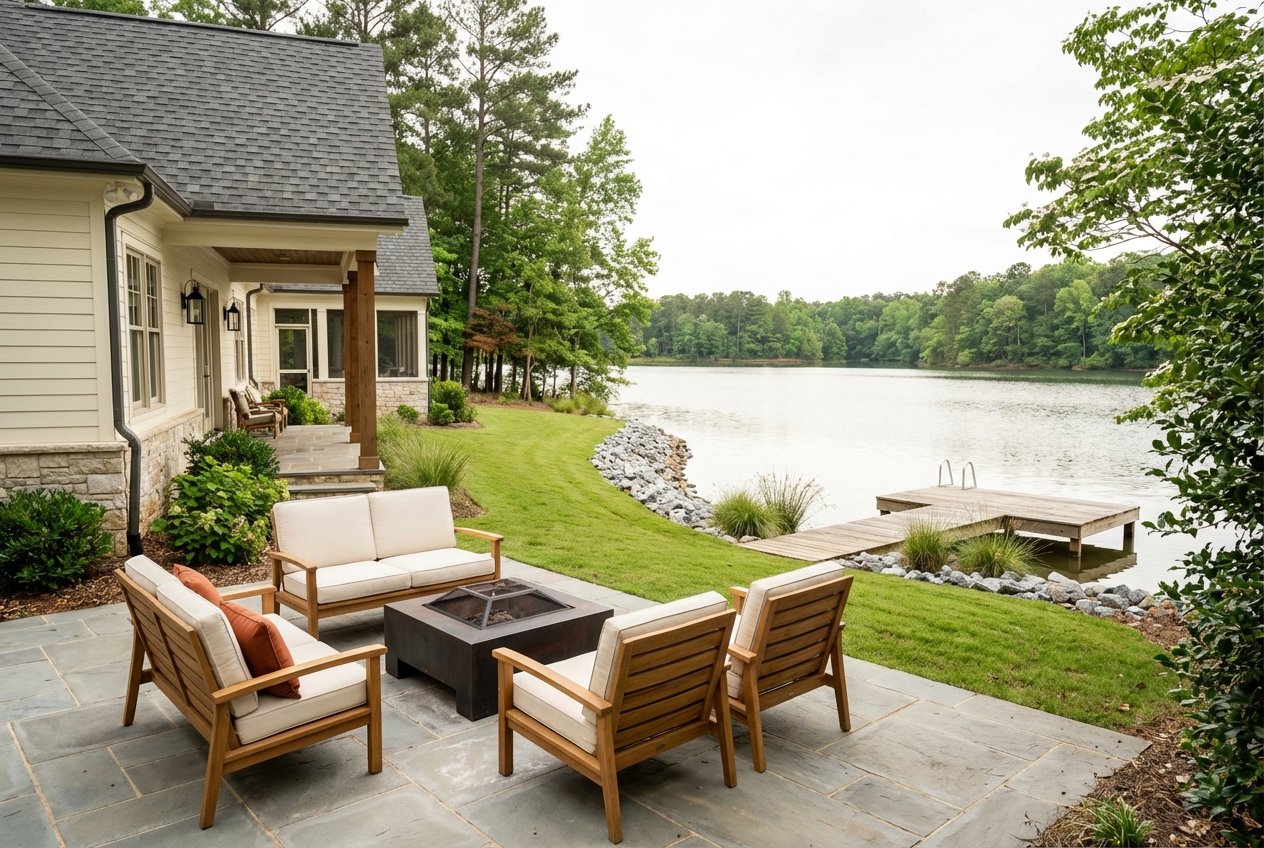
Picture crisp mornings on the dock, green water just waking up, and your kayak waiting by the shoreline. If you’ve been daydreaming about a second home in Seneca, you’re not alone. You want a place for weekends, summer breaks, or football-season escapes that is easy to reach and simple to enjoy. This guide walks you through the local choices, financing and tax basics, lake-specific rules, and a step-by-step plan to start with confidence. Let’s dive in.
Why Seneca makes sense for a second home
Seneca puts you close to three distinctive lakes, trail systems, and waterfalls, plus easy access to Clemson and the Greenville corridor. Many buyers come for boating, fishing, and low-key small-town convenience, then stay for the steady rhythm of lake life. Seasonal events also boost demand for short stays, which can help if you plan to rent part time. For example, the Bass Pro Tour is slated for Lake Hartwell in 2026, a reminder that regional tournaments and Clemson game weekends create peaks in visitor traffic.
Lake vs in-town: what fits your life
Lake Keowee overview
Lake Keowee is a deep, scenic reservoir managed by Duke Energy with many private docks and established lake communities. Shoreline use, dock permits, and habitat programs fall under Duke Energy’s Keowee-Toxaway Project. If you want true waterfront living with boating at your back door, Keowee offers a polished lake lifestyle with clear rules around docks and shoreline.
Lake Hartwell overview
Lake Hartwell is larger, with broad public access and a different regulatory environment from Duke-managed lakes. Shoreline rules and public facilities are administered by federal and state agencies. If you value wide-open water, multiple ramps, and a variety of neighborhoods, Hartwell delivers a flexible lake experience with plenty of recreation options.
Lake Jocassee overview
Lake Jocassee is smaller, more primitive, and known for protected shorelines and mountain views. Development is limited and the experience is more about pristine scenery and quiet exploration. For context on managed protections, review the state’s planning document for Jocassee.
In-town Seneca option
Prefer simple lock-and-leave living? In-town condos and single-family homes put you near groceries, healthcare, and restaurants. You trade private docks for easier upkeep, faster arrivals on Friday nights, and a lower-maintenance routine year-round. This can be a smart path if you plan frequent, shorter visits.
Cost and upkeep: what to budget
Waterfront homes often carry higher ongoing costs. Think dock maintenance, shoreline stabilization, boat storage, and sometimes HOA or amenity fees. Many lake properties also rely on on-site septic systems, so plan for regular inspections and potential repairs.
In-town condos or homes generally mean simpler utilities, shorter to-do lists, and more predictable costs. With either option, you may want local help. Property managers and caretakers can handle cleaning, guest turnover, seasonal prep, and vendor coordination so your weekends stay relaxing.
Financing a second home
Lenders classify occupancy differently for principal residence, second home, and investment property. Fannie Mae defines a second home as a one-unit property you use part of the year, suitable for year-round occupancy, and not under third-party control. If you want the most accurate guidance, review Fannie Mae’s occupancy types before you apply.
Expect stricter underwriting than a primary residence. Many programs require larger down payments, and Fannie Mae’s guidance sets a minimum of two months of reserves for second homes, with potential for more based on risk and how many properties you finance. You can confirm the specifics in Fannie Mae’s minimum reserve requirements. Getting preapproved early will clarify your price range and help you act quickly when the right home appears.
Planning to rent sometimes? Know the rules
If you plan short stays for guests, factor in South Carolina’s accommodations tax. Rentals of fewer than 90 consecutive days are generally subject to state sales tax plus the accommodations tax. The South Carolina Department of Revenue explains registration, filing, and platform collection policies in its accommodations tax guidance.
For Seneca specifically, the state municipal rate table shows that the City of Seneca does not impose an additional local accommodations tax at this time. Always confirm current rates using the SCDOR ST-575 municipal rate table before you list.
South Carolina also clarified the framework for local regulation of short-term rentals. A recent bill, S.442, confirms that cities and counties can permit, regulate, or prohibit STRs and outlines statewide baseline requirements, including business-license characterization and minimum liability insurance discussed in the bill text. Review the current language in South Carolina bill S.442, then check Seneca and Oconee County codes for the latest local rules and permit needs.
Finally, the IRS vacation-home rules shape your taxes if you mix personal use with rentals. If you rent fewer than 15 days a year, that income is not taxable, but you cannot deduct expenses against it. If you rent 15 days or more, income is reportable and expenses are allocated between personal and rental use. For details, see IRS Publication 527 and talk with a CPA about your plan.
Insurance and risk management
Lake homes can fall inside mapped flood zones or shoreline control areas. Your lender may require a National Flood Insurance Program or private flood policy if the parcel is in a special flood hazard area. On waterfront lots, also price for wind and hail coverage, and confirm how your carrier handles shoreline-related risks.
If you intend to host short-term guests, standard homeowners policies often exclude business activity. Many owners either add an STR endorsement or purchase a separate commercial general liability policy that meets local requirements. The statewide framework in S.442 references minimum liability coverage concepts, which is a good prompt to confirm your insurer’s stance early.
For docks and shoreline work, permits are common. On Keowee and Jocassee, Duke Energy administers lake-use and dock permitting. You can explore permitting and services through Duke Energy’s lake services page.
Step-by-step plan to get started
Use this simple roadmap to move from idea to keys-in-hand:
Clarify use. Decide how you will use the home in year one. Estimate personal nights and any rental windows, since the 14-day IRS threshold changes your tax treatment. Preview the rules in IRS Publication 527.
Talk to a lender. Get preapproved and confirm how your loan will be classified. Ask about down payment options, mortgage insurance, and required reserves. See Fannie Mae’s occupancy and reserve guidance for context.
Define your location. Choose between in-town convenience or lake access. If lakefront, decide whether you need a private dock, a community marina slip, or simply nearby ramps.
Map your budget. Include principal and interest, property taxes, insurance, utilities, HOA fees, dock or marina costs, routine maintenance, and a seasonal set-aside for surprises.
Check rental rules. If you plan to host guests, review state and local requirements. Start with the SCDOR accommodations tax page and confirm municipal details in the ST-575 table. Then check Seneca and Oconee County codes and any HOA covenants. Use S.442’s bill text as your statewide framework.
Run an insurance quote set. Price homeowners, flood if needed, wind and hail, and STR liability coverage if you intend to rent.
Verify docks and shoreline. If a property has or could have a dock, confirm permits and any required approvals. Start with Duke Energy’s lake services for Keowee and Jocassee; check Hartwell’s federal shoreline rules separately with your agent.
Inspect systems. Order septic inspection if the home is not on municipal sewer. Add well testing if applicable, and get contractor estimates for any updates you plan.
Review covenants. Ask for HOA documents early and confirm rental allowances, parking rules, and guest access policies.
Build your local team. Line up a property manager or caretaker, cleaners, dock and boat vendors, and seasonal maintenance pros before your first extended stay.
Plan your calendar. Mark peak demand windows you may want to rent, like summer boating season and Clemson home games, then test pricing on platforms. Regional events like the Bass Pro Tour on Hartwell can lift occupancy.
Make the offer wisely. Lean on recent comps, days on market, and lake-specific value drivers like view corridor, water depth at the dock, slope to the shore, and proximity to marinas or town.
How we help you buy with confidence
You should feel excited walking into your second home, not stressed about rules or loose ends. With deep local roots, lake-specific know-how, and a design-forward eye, we help you zero in on the right property, verify the details that matter, and set up a smooth arrival plan. From dock permits to septic inspections to STR compliance, we connect you to the right resources so your place is ready for that first sunset ride.
Ready to explore lakefront or in-town options around Seneca? Reach out to Locke & Key Associates and let’s walk your plan, tour the right homes, and get you lakeside sooner.
FAQs
What’s the difference between Lake Keowee and Hartwell for buyers?
- Keowee is managed by Duke Energy and is known for clear water, private docks, and established communities, with dock and shoreline permits handled through Duke Energy’s lake programs; Hartwell is larger with broad public access and a different set of shoreline rules administered by federal and state agencies.
How do South Carolina taxes apply if I host short-term guests in Seneca?
- Short stays are generally subject to state sales and accommodations taxes per SCDOR guidance, and the ST-575 municipal table shows Seneca does not add a local accommodations tax at this time, but always confirm current rates.
What loan requirements should I expect when buying a second home?
- Lenders classify second homes differently from primary residences and may require larger down payments and reserves; Fannie Mae outlines occupancy definitions here and sets a minimum of two months of reserves for second-home loans here.
How do IRS rules work if I both use and rent my vacation home?
- If you rent fewer than 15 days a year, that income is not taxable; if you rent 15 days or more, you must report income and allocate expenses, with personal-use tests affecting deductions; see IRS Publication 527 for details.
Do I need special insurance if I plan to offer short-term rentals?
- Many owners add an STR endorsement or separate commercial general liability policy since standard homeowners coverage often excludes business use, and statewide policy discussions like S.442 reference minimum liability expectations; confirm requirements with your insurer and local permitting office.