If you own an older home in Belton, you already know the challenge: you want it to feel fresh and functional without sanding away the very details that make it special. That balance matters in a place with deep railroad-era roots and notable historic landmarks, where porches, trim, windows, and craftsmanship often shape a buyer’s first impression. The good news is you do not have to choose between charm and smart updates. With the right plan, you can highlight original character, improve day-to-day livability, and prepare your home to stand out. Let’s dive in.
Why Belton charm matters
Belton’s history is part of what gives many homes their appeal. The city grew from a railroad junction in the 1850s, and landmarks like the Belton Depot and the Belton Standpipe reflect a strong connection to the past.
That local backdrop makes architectural details more than decoration. In older Belton homes, features like front porches, decorative trim, double-hung sash windows, mantels, built-ins, and masonry often help tell the home’s story.
Across Anderson County, historic survey work points to house styles such as Queen Anne and Craftsman bungalows. That means “charm” in this market often comes from visible craftsmanship like spindlework porches, decorative shingles, and original window proportions, not just a general old-house feel.
Start with preservation first
A smart update plan usually begins with one simple idea: repair before you replace. Preservation guidance for historic homes recommends protecting original materials and character-defining features whenever possible.
If a feature is worn but still serviceable, repair is often the better move. When replacement cannot be avoided, the new element should closely match the old one in design, color, texture, and, when possible, material.
For many Belton homes, the best candidates to preserve include:
- Porch structure and visible detailing
- Original doors
- Window size and proportions
- Wood trim and molding
- Mantels and fireplaces
- Stair details
- Built-ins
- Masonry features
These are the pieces that give a home personality in photos, showings, and buyer memory.
Update what buyers notice first
Once the core character is protected, you can modernize the surfaces and details that help a home feel current. These updates tend to be more affordable, more reversible, and less likely to strip away original charm.
Focus first on changes like:
- Fresh paint
- Updated light fixtures
- New cabinet hardware
- Faucet and finish updates
- Simplified window treatments
- Better furniture scale and layout
This is often where older homes shine with the right presentation. You are not trying to make a Belton bungalow look like a new build. You are helping buyers see a home that feels cared for, functional, and visually coherent.
Preserve exterior character
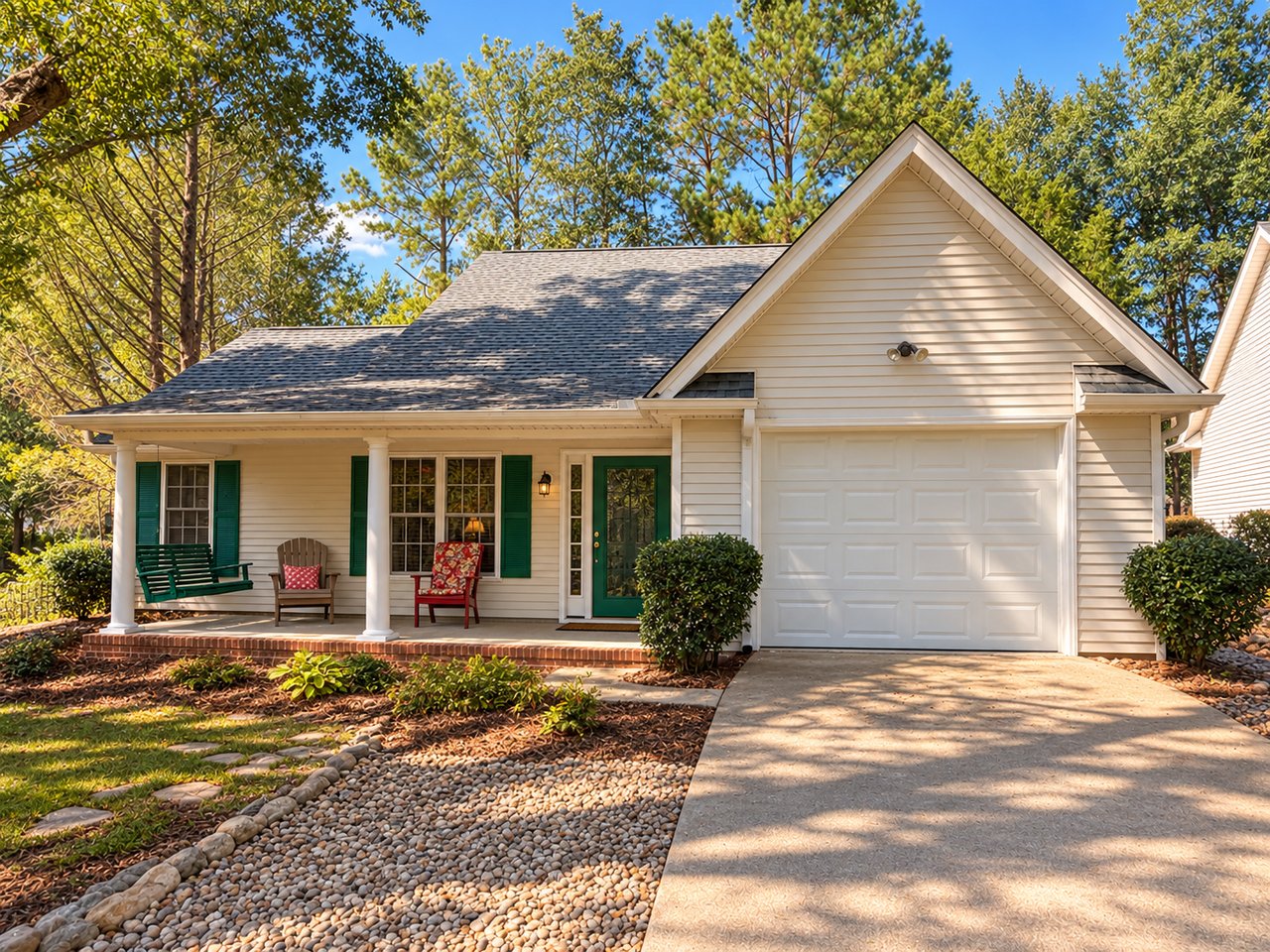
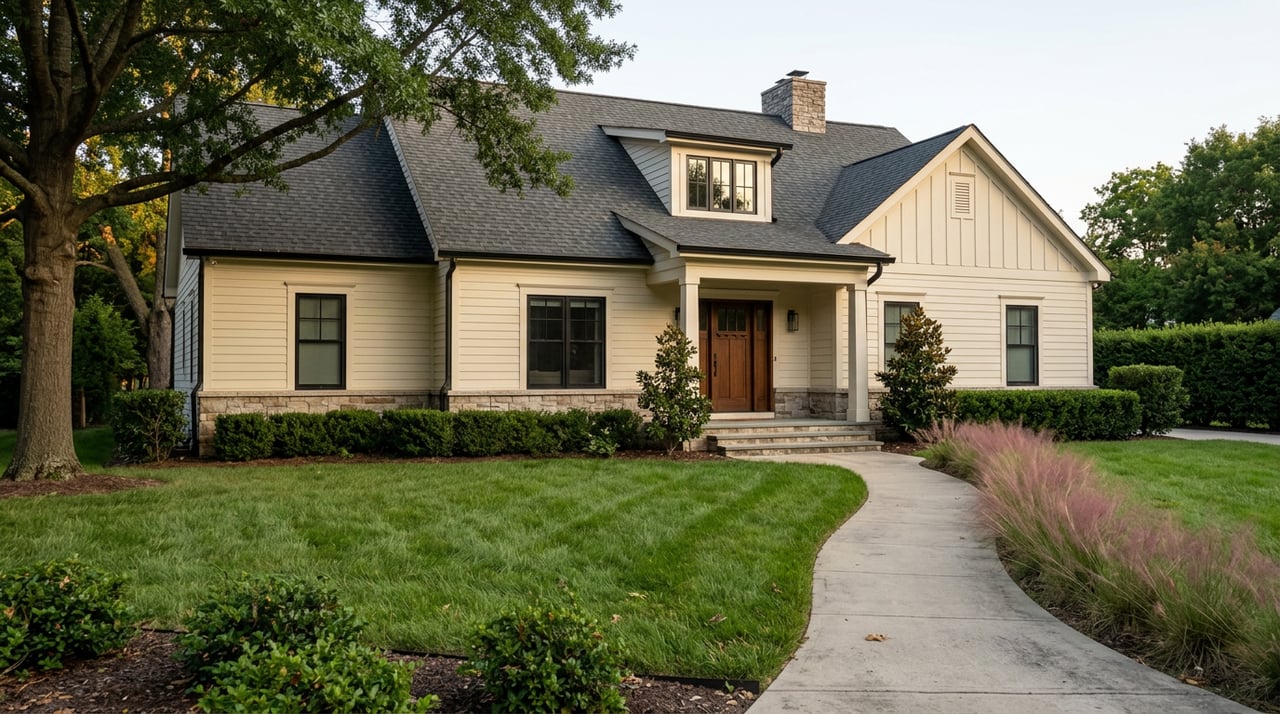
In Belton, the exterior often carries the strongest sense of history. That makes curb appeal less about dramatic redesign and more about thoughtful restoration.
A well-kept porch, clean siding, repaired trim, and a historically sympathetic paint palette can go a long way. Simple, period-appropriate lighting and hardware usually fit better than trendy fixtures that compete with the home’s age.
If your home is in a locally designated historic district or landmark area, exterior changes may be subject to local review through zoning ordinances. Before you make major changes to the outside of the home, it is wise to confirm what approvals may apply.
Think carefully about windows
Windows deserve extra attention because they affect both appearance and function. In many older homes, original windows are a major part of the façade and help preserve the home’s proportions.
Guidance for historic rehabilitation makes an important point: energy performance or code concerns alone do not automatically mean historic windows should be replaced. In many cases, caulking, weatherstripping, glazing repair, and storm windows can improve performance while keeping the originals in place.
If replacement is truly necessary, especially on a front or highly visible elevation, the new window should closely match the historic one in detail and material. A mismatched window can change the look of the whole house faster than almost any other update.
Let living spaces show off the architecture
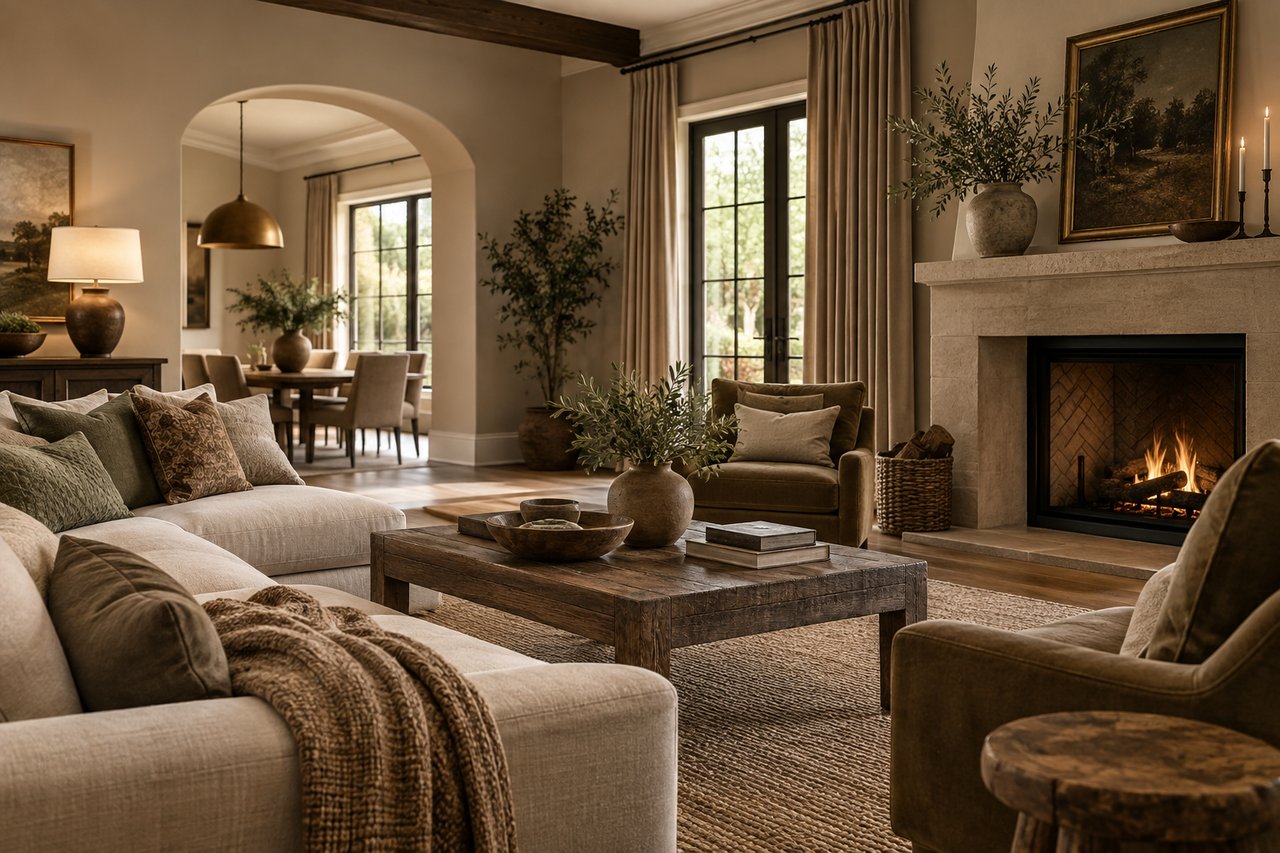
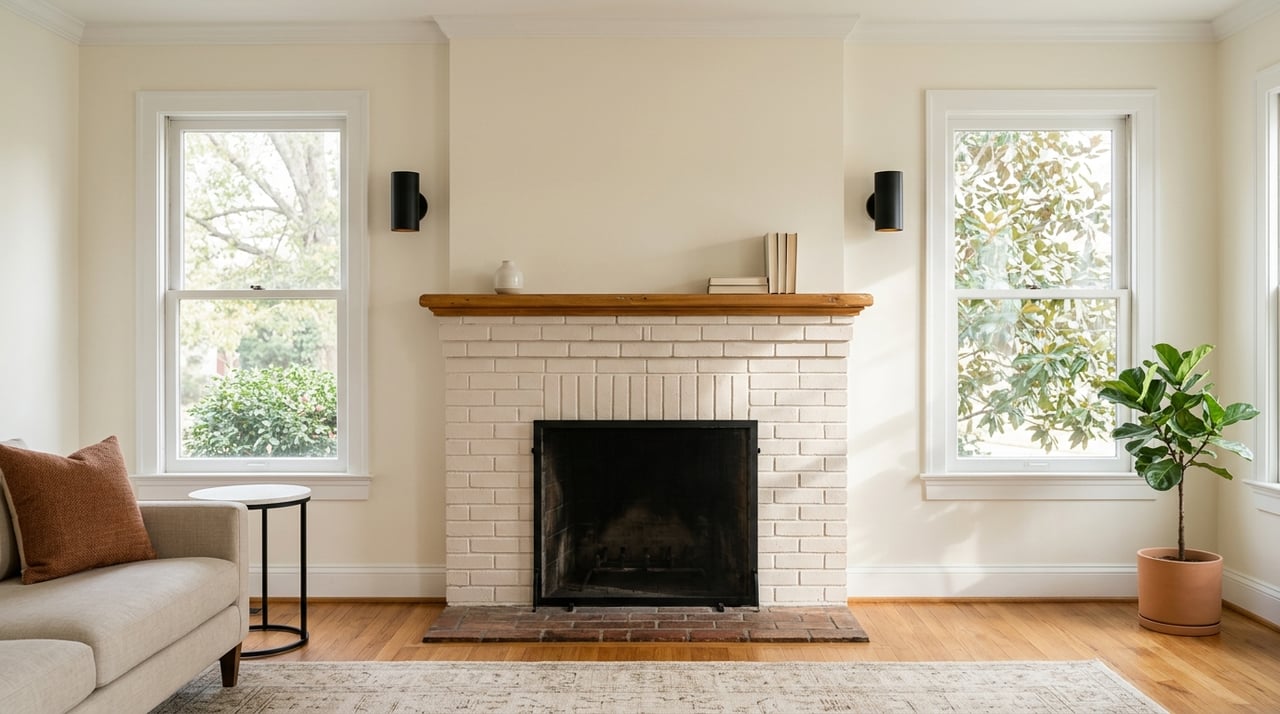
In older homes, living and dining rooms often work best when you let the room itself do some of the talking. Original floors, trim, fireplaces, and tall windows can easily get lost when the furniture is too large or the styling is too busy.
Keep these spaces edited and proportional. A few well-placed pieces usually work better than trying to fill every corner.
Here are a few simple staging ideas:
- Pull furniture away from important trim or fireplace details
- Use rugs that define the space without covering too much flooring
- Reduce visual clutter on mantels and built-ins
- Choose lighter, simpler window treatments
- Keep traffic flow easy and obvious
This approach helps buyers notice craftsmanship instead of distractions.
Update the kitchen without gutting it
The kitchen is often where homeowners feel pressure to start over. But in many Belton homes, a full gut renovation is not the first or best move.
If the layout works reasonably well, start with finish-level improvements. Repaint cabinets, update hardware, improve lighting, and choose finishes that work with the home’s existing wood tones and trim rather than fighting them.
That can create a cleaner, more current look while preserving the room’s connection to the rest of the house. If materials do need to be replaced, substitute materials may be appropriate when they closely match the visual and physical properties of the original ones.
Keep bathrooms timeless
Bathrooms are one of the clearest places to add modern comfort. Buyers tend to notice them quickly, so even modest improvements can have a strong impact.
Aim for simple, restrained updates that will still look good a few years from now. Updated fixtures, fresh surfaces, improved lighting, and a clean color palette often do more for buyer confidence than trendy choices.
The goal is not to make the bathroom feel flashy. It is to make it feel clean, functional, and in step with the age of the home.
Use bedrooms and halls for calm
Bedrooms and hallways do not usually need dramatic changes. In most cases, they benefit from lighter paint, consistent flooring presentation, and simple window treatments.
These are low-risk updates that help the whole home feel brighter and more cohesive. Better yet, they are usually reversible, which means you can improve presentation without removing historic fabric.
Do not ignore systems and safety
Charm matters, but buyer confidence often starts with the less glamorous items. If you are preparing to sell, it usually makes sense to invest first in visible repairs and major systems that could raise concerns.
Prioritize things like:
- Roof condition
- HVAC performance
- Electrical issues
- Plumbing concerns
- Foundation or moisture issues
- Porch safety and structural soundness
These improvements may not be the most exciting, but they often make the biggest difference in how secure a buyer feels about moving forward.
Acreage homes need a wider lens
If your Belton property includes acreage, barns, sheds, or other outbuildings, buyers will evaluate more than the main house. The same principle applies here: preserve usefulness, improve condition, and reduce signs of neglect.
Pay attention to roof condition, access, safety, and general tidiness. Outbuildings do not need to look perfect, but they should feel functional and intentional rather than forgotten.
Know when permits may apply
Once your project moves beyond cosmetics, permits and inspections can come into play. South Carolina law requires a permit before a building is begun, and Anderson County’s guidance specifically identifies categories such as remodels, interior renovations, HVAC replacement, deck work, foundation repair, electrical service upgrades, and demolition.
Anderson County also notes that inspections must be passed in sequence before occupancy and a certificate of occupancy can be issued. In other words, if you are tackling more than paint and staging, it is worth checking requirements early.
Some owner-performed improvements may be exempt from certain permit and licensure requirements, but that does not override local zoning rules, historic district review, or city-specific approvals. A quick check on the front end can help you avoid delays later.
Historic tax credit worth knowing
If your property qualifies as a historic residence, there may be a meaningful incentive for doing the work carefully. South Carolina offers a 25% state historic rehabilitation tax credit for eligible owner-occupied residences.
According to the South Carolina Department of Archives and History, applications must be submitted before work begins. Qualifying rehabilitation expenses must exceed $15,000 within a 36-month period, and the credit is claimed in equal installments over three years.
For homeowners considering a larger rehab, that is a detail worth exploring before plans are finalized.
The best Belton update strategy
For most older Belton homes, the strongest plan is surprisingly simple. First, handle systems, safety, and visible repair issues that affect trust. Then make reversible cosmetic updates that photograph well and allow original details to stand out.
That approach respects the home’s age instead of trying to erase it. It also tends to create the kind of listing presentation that feels polished, honest, and memorable.
If you are getting ready to sell, thoughtful updates can make your home more market-ready without flattening its personality. And if you need a second set of eyes, that is where design-minded guidance can really help.
When you are ready to talk through smart prep, staging, and presentation for your Belton home, reach out to Locke & Key Associates. We would love to help you highlight what makes your home worth remembering.
FAQs
What should you preserve when updating an older Belton home?
- Focus on character-defining features like porches, original doors, window proportions, trim, mantels, stair details, built-ins, and masonry whenever repair is possible.
What updates add value without removing a Belton home’s charm?
- Reversible improvements like paint, lighting, cabinet hardware, plumbing fixtures, window treatments, and better furniture layout usually refresh the home without stripping original character.
Should you replace original windows in a historic Belton home?
- Not automatically. Guidance for historic homes says original windows can often be improved with caulking, weatherstripping, glazing repair, and storm windows rather than full replacement.
Do you need permits for home updates in Belton and Anderson County?
- Cosmetic work may not trigger permits, but Anderson County identifies remodels, interior renovations, HVAC replacement, deck work, foundation repair, electrical service upgrades, and demolition as permit categories to review.
Is there a South Carolina tax credit for historic home rehabilitation?
- Yes. Eligible owner-occupied historic residences may qualify for a 25% state historic rehabilitation tax credit, and the application must be submitted before work begins.
How should you prepare a Belton acreage property for sale?
- Look beyond the main house and address outbuilding condition, safe access, roof issues, and overall tidiness so the full property feels functional and cared for.